Table of Contents
- 🌿 Why your entryway matters
- ✨ Minimalist gates and pathways that impress
- 🌸 Arches and courtyard transitions for romance
- 🪴 Modern courtyard decoration: neutral palettes and sculptural plants
- 🔒 Privacy and welcoming screens
- 🪵 Zen, Japanese, and bamboo-inspired courtyards
- 🔁 Symmetry and refined classic garden looks
- 🏡 Small courtyards and compact entry decoration
- 💡 Lighting as decoration: ambient glow and wayfinding
- 🇮🇹 Mediterranean and European entry inspirations
- 🌾 Rustic, farmhouse, and tropical entryway vibes
- 🛠 Practical projects: refreshing your entryway with small changes
- 📋 A practical checklist for decoration success
- 🧩 Budget-friendly decoration ideas
- 🔎 Common mistakes and how to avoid them
- 🔧 Materials and plant lists for each style
- 🧰 Maintenance as ongoing decoration
- 📸 Visual cues: three decoration examples we return to
- 🚀 Putting decoration into practice
🌿 Why your entryway matters
We believe the entryway is the opening act of your home. Good decoration at the front tells a story before anyone reaches the porch: it sets the tone, suggests care, and frames the life inside. The best entryway decoration balances texture, structure, and plant life so the space feels both refined and lived-in.
Decoration does not mean extravagance. Thoughtful choices—an elegant gate, a well-placed arch, a simple pathway—can create a luxurious impression. We focus on ideas that scale from compact urban courtyards to wider front gardens so everyone can use these decoration principles.
✨ Minimalist gates and pathways that impress
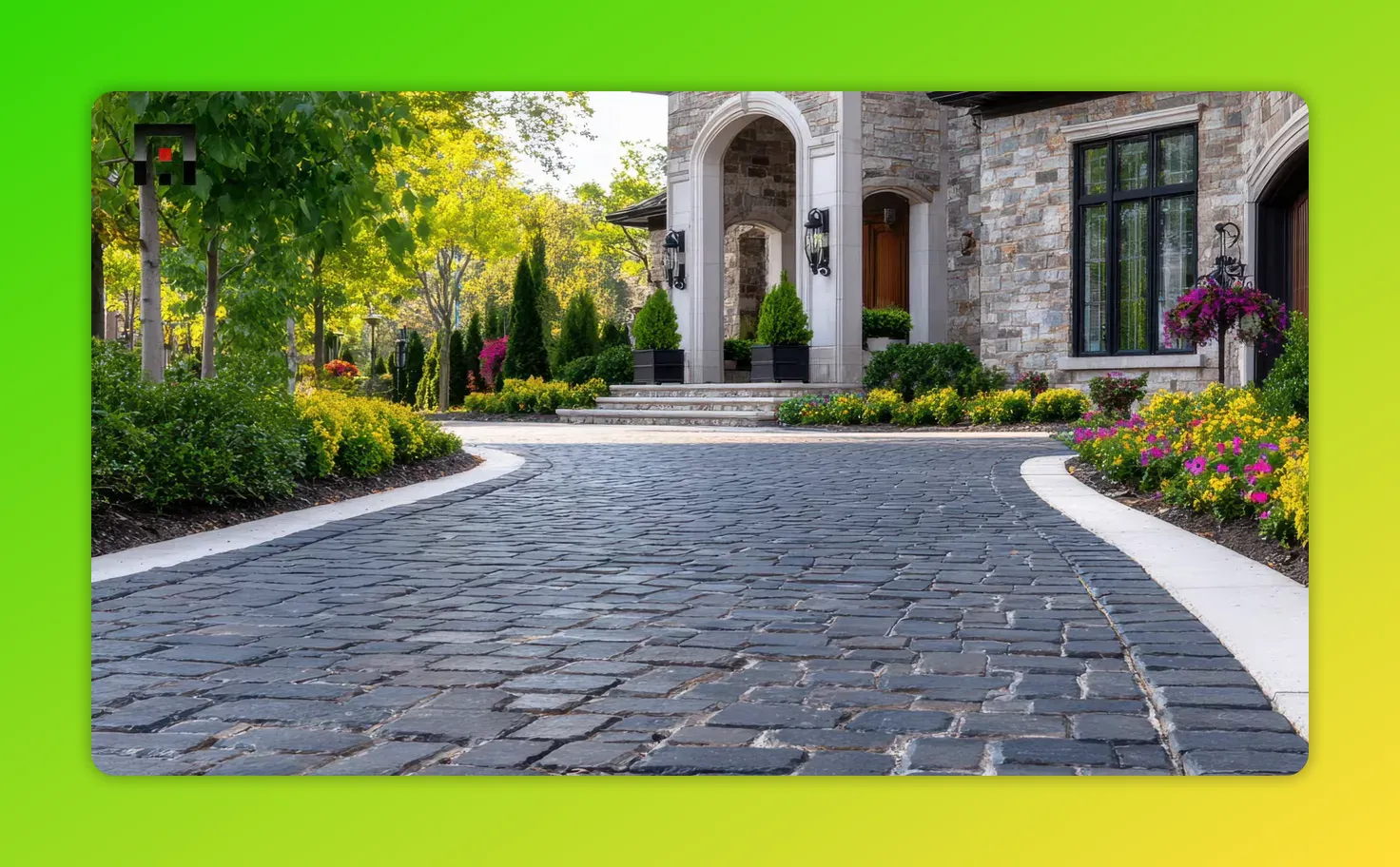
Minimalist decoration is about restraint. We favor slim steel gates, straight pathways, and neutral surfaces that let geometry do the talking. Narrow frames and clean sightlines give a sense of precision and calm. For pathways, concrete pavers, large-format stone slabs, or uniform neutral gravel make a clear, uncluttered route toward the door.
Key moves for minimalist decoration
- Use straight lines and balanced proportions to create a calm, modern look.
- Choose a gate with a slim profile in matte black or dark steel for contrast.
- Keep materials limited to two or three complementary finishes.
- Introduce subtle path lighting so the beauty of the layout is visible at night.
Minimalist gates often work best when paired with spare planting. Architectural plants—agave, ornamental grasses, or a single sculptural olive—provide interest without crowding. Groupings of three or five plants create a natural rhythm that reinforces the minimalist decoration.
🌸 Arches and courtyard transitions for romance
An arch is a decorative punctuation mark. It slows the pace, invites curiosity, and can transform a simple walkway into an experience. We recommend arches in wrought iron for a traditional feel, warm timber for a softer look, or neutral metal tones for contemporary gardens.
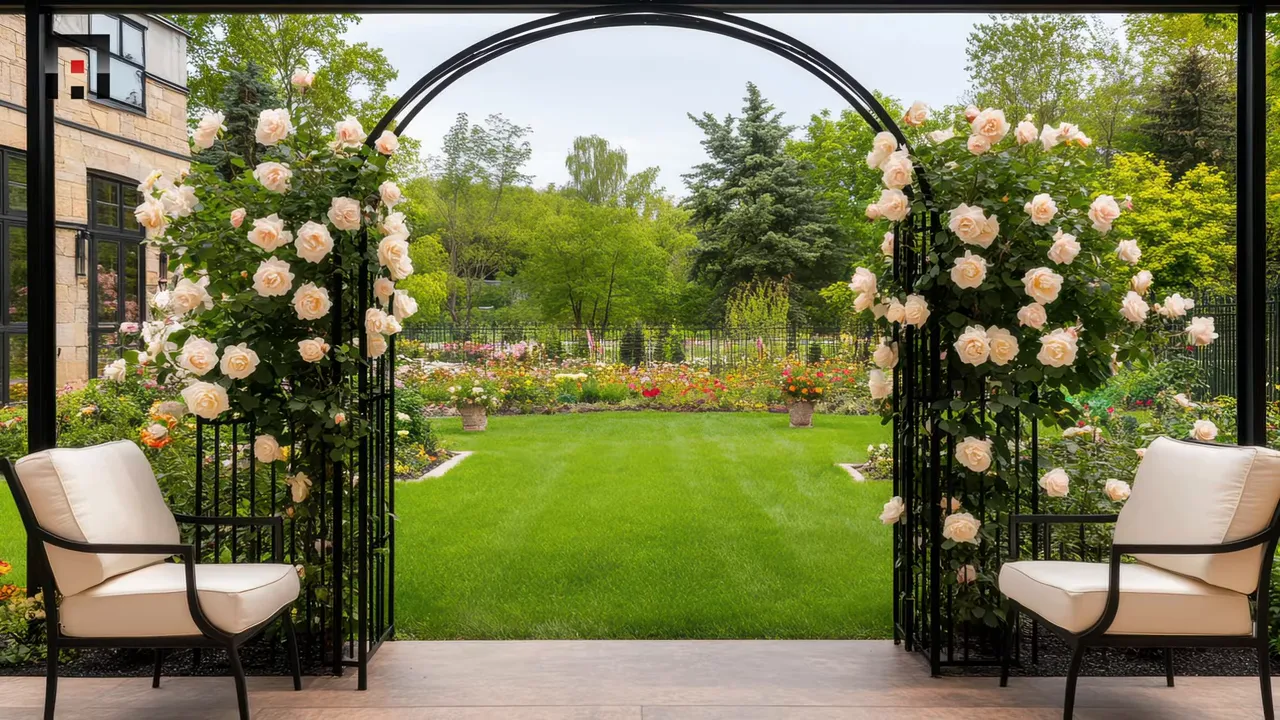
When we add climbing plants like jasmine or climbing roses, the arch becomes living decoration. Flowers and scent heighten the moment, making the transition from street to home feel ceremonial rather than accidental. The gentle curve of an arch offsets rectilinear architecture and introduces softness to the composition.
Practical tips
- Position the arch where people naturally pause—before a gate, at the start of a path, or just before the doorstep.
- Use lightweight vines for small spaces and stronger-trained climbers for larger structures.
- Consider removable or modular arches if you like seasonal changes in decoration.
🪴 Modern courtyard decoration: neutral palettes and sculptural plants
Modern courtyards thrive on intention. Every plant and surface has a role in the overall decoration. We focus on neutral planters and stones to create a unified backdrop, then use sculptural plants to provide focal points.
Plant palette and materials
- Architectural specimens: agave, yucca, olive, and formium.
- Textural accents: ornamental grasses and succulents for low maintenance.
- Planters and surfaces: warm concrete, sand-colored stone, and matte terracotta for cohesion.
Spacing is decoration too. Leave generous negative space between plants so each specimen can be admired. Group in odd numbers for visual balance and resist the urge to overplant. Minimalism in planting is a high-return decoration strategy: less maintenance, cleaner lines, and a timeless look.
How to approach scale
Choose one or two sculptural plants as anchors. Use low groundcovers or gravel to fill in low-visibility areas. We recommend planting at different heights—groundcover, mid-level shrub, and tall focal—to keep the visual field interesting without cluttering the decoration.
🔒 Privacy and welcoming screens
Privacy is a form of decoration that protects comfort without removing charm. We prefer semi-transparent layers: slatted screens, living green walls, or clusters of foliage that filter views while still inviting light and air.
Useful strategies
- Vertical slatted panels in timber or metal for modern decoration that allows light through.
- Green screens using climbing plants trained on wires for seasonal decoration that evolves.
- Planter-led privacy: tall pots with bamboo or pleached trees to create natural barriers.
Lighting plays a role in privacy decoration. Warm, directional lights can define the boundary and create a beckoning glow, while keeping the interior sense of privacy intact. The best privacy decoration filters rather than blocks.
🪵 Zen, Japanese, and bamboo-inspired courtyards
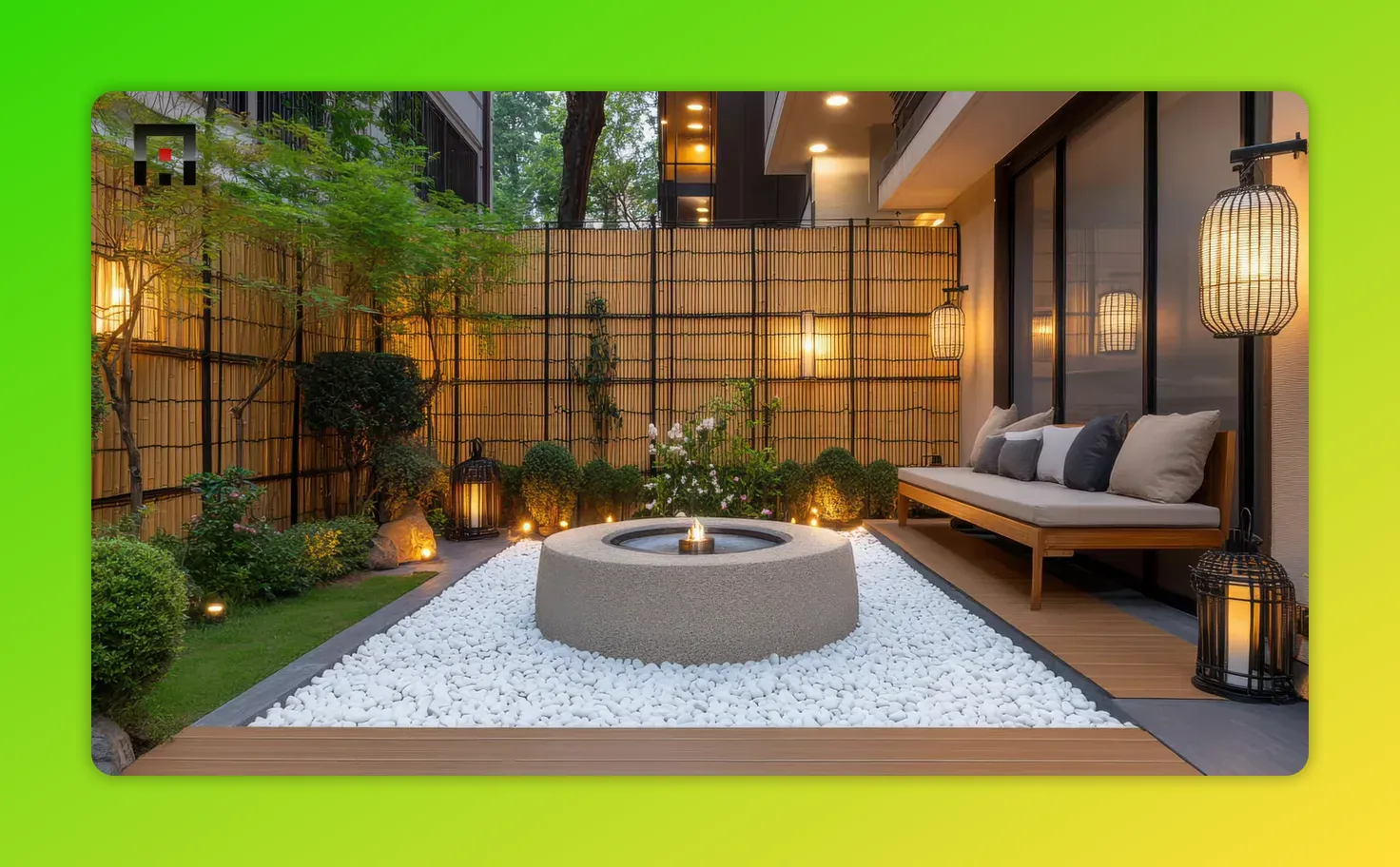
Zen decoration is a careful act: choose fewer elements and place each with intent. Bamboo screens, raked gravel, and single stones become meaningful in a minimalist composition. The principle of ma—the deliberate use of empty space—gives the area room to breathe.
Elements to use
- Raked gravel beds to imply water and movement.
- Carefully selected stones as sculptural focal points.
- Bamboo or dark timber panels for vertical structure.
In a Zen-style decoration we avoid busy color. Contemplate texture and contrast: moss against stone, dark timber against pale gravel. These contrasts create quiet drama and a deep sense of calm.
🔁 Symmetry and refined classic garden looks
Symmetry is decoration that reinforces order and formality. When a home has a symmetrical façade, a mirrored planting scheme creates dignity and presence. Paired urns, identical hedges, and a centered path give the front garden a timeless, classic feel.
When to use symmetry
- On neoclassical, Georgian, or colonial-style homes.
- When the front elevation already suggests balance.
- Where a stately, structured entry is desired rather than a wild, romantic look.
We like to soften strict symmetry with informal texture—loose blooms, billowy grasses, and slightly relaxed pruning. This keeps the decoration from feeling overly stage-managed while preserving the stately effect.
🏡 Small courtyards and compact entry decoration
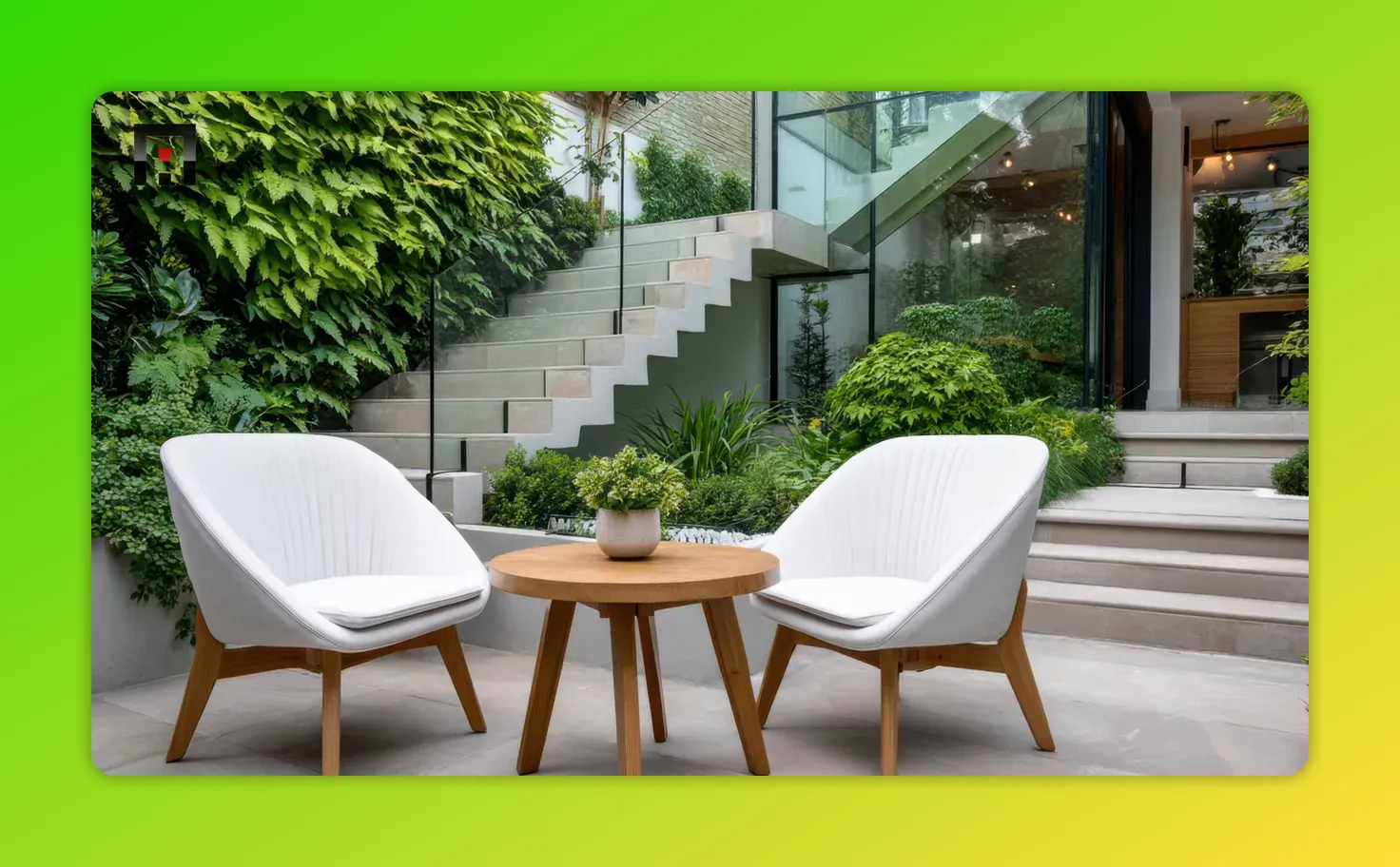
Small spaces can feel generous with the right decoration choices. Vertical thinking and multi-level planting turn constraints into opportunities. A single bench, a corner planter, and a slim walkway can make a small entry feel purposeful and inviting.
Compact decoration strategies
- Use wall-mounted planters and trellises to free up ground space.
- Choose lighter colors for walls and paving to visually expand the area.
- Opt for tall, narrow plants to draw the eye upward and create perceived height.
We often recommend a focal object—a beautiful pot, a sculptural plant, or a simple water feature—as the central decoration in small courtyards. When space is limited, one compelling feature makes a bigger impression than many small ones.
💡 Lighting as decoration: ambient glow and wayfinding
Lighting is decoration that changes everything after sunset. Layered lighting—path lights, uplights, and downlights—creates depth and drama while ensuring safety. Warm LED tones read as welcoming and complement natural materials.
Lighting considerations
- Path lighting for safe navigation and a soft ribbon of light guiding visitors.
- Uplighting for specimen trees or architectural features to create vertical interest.
- Downlighting from eaves or slatted screens to simulate moonlight and reduce glare.
We recommend low-level, warm fixtures integrated into the landscape so the lighting itself becomes a subtle part of the decoration rather than an afterthought.
🇮🇹 Mediterranean and European entry inspirations
Mediterranean decoration celebrates sun-warmed materials and relaxed composition. Think whitewashed walls, terracotta pots, olive trees, and lavender spilling over stone pathways. This style blends rustic texture with a luminous palette.
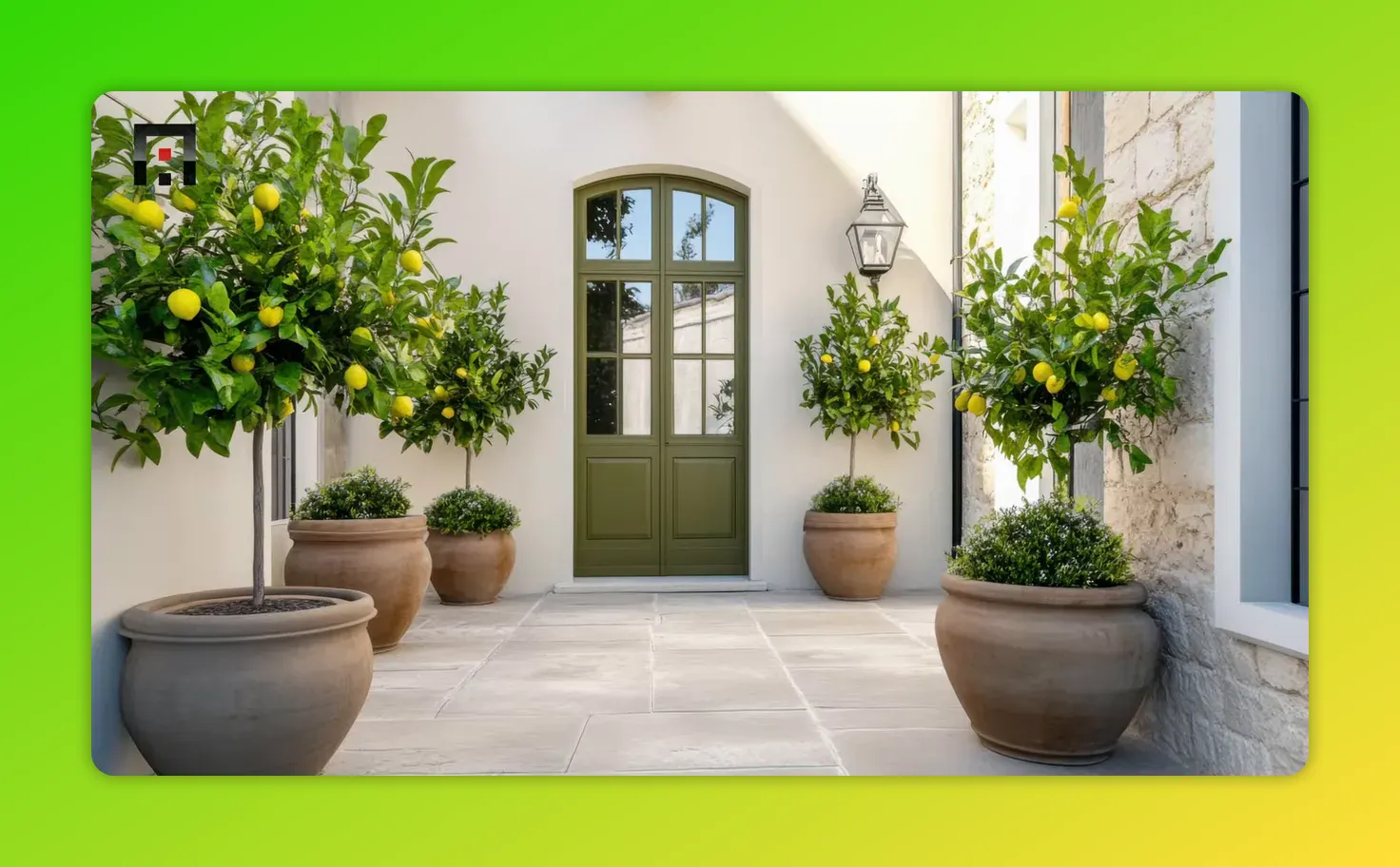
How to get the look
- Use terracotta and weathered stone as primary finishes.
- Choose drought-tolerant plants such as olive, rosemary, and lavender.
- Cluster pots casually rather than lining them up for an authentic, relaxed decoration.
Mediterranean decoration reads as lived-in and hospitable. The materials age gracefully, adding character to the entrance over time. We find the best Mediterranean decoration is imperfect by design.
🌾 Rustic, farmhouse, and tropical entryway vibes
Rustic decoration is about honesty. Reclaimed wood gates, stone planters, and soft lantern lighting create a cozy, welcoming entrance. Add tropical or leafy plants if you live in a warm climate to bring lushness into the composition.
Components we love
- Distressed wood gates that reveal grain and history.
- Galvanized metal planters or vintage farm implements as garden art.
- Herb or vegetable planters near the door for functional, beautiful decoration.
We encourage mixing textures—wood, metal, and greenery—to achieve a layered rustic decoration. The result feels handcrafted and personal rather than styled purely for show.
🛠 Practical projects: refreshing your entryway with small changes
Big transformations are wonderful, but small, deliberate decoration moves often yield the fastest results. We recommend starting with one of these projects that can be completed in a weekend.
- Refinish or replace the gate: A fresh finish or a new slim-steel gate dramatically updates the decoration immediately.
- Revamp path materials: Swap cracked concrete for stepping stones or add gravel to redefine the route as decoration.
- Add layered lighting: Install low-level path lights and one uplight for a focal tree to extend decoration into the night.
- Rearrange pots: Group existing planters and replace any tired plants to refresh the composition.
- Install an arch or screen: A single arch or slatted privacy screen can change the whole arrival experience.
Each of these projects functions as decoration and as an investment in curb appeal. They are also modular, so we can mix and match based on budget and time.
📋 A practical checklist for decoration success
Use this checklist to plan a strong entryway decoration that feels cohesive and welcoming.
- Define the style: minimalist, Mediterranean, Zen, rustic, or hybrid.
- Choose two to three primary materials and stick to them.
- Select plants with complementary textures and maintenance needs.
- Plan layered lighting that works with evening hours.
- Create a focal point and keep surrounding space uncluttered.
- Consider privacy needs and choose filtering solutions.
- Budget for installation and future maintenance as part of the decoration plan.
🧩 Budget-friendly decoration ideas
Decoration does not require a big budget. We prioritize visible change for minimal cost: fresh paint, a dramatic pot, or a simple slatted screen. Plants are often the best value—the right plant in the right pot elevates the whole space.
Low-cost wins
- Paint the gate or door in a bold, contrasting color.
- Swap out dated light fixtures for simple, modern LED sconces.
- Create a DIY gravel pathway with stepping stones for texture.
- Use secondhand or repurposed materials for a rustic decoration feel.
We also recommend choosing low-maintenance plants to keep future upkeep costs down. In many cases, thoughtful decoration saves money over time by reducing the need for constant replacements.
🔎 Common mistakes and how to avoid them
We’ve seen the same decoration missteps repeatedly, and they are easy to fix with a little planning.
- Too many materials: Keep the palette tight to avoid a cluttered look.
- Overplanting: Give plants room to mature and keep negative space for visual rest.
- Poor lighting: Avoid harsh, bright lights; favor warm, directional fixtures instead.
- No focal point: Always include at least one eye-catching element that anchors the decoration.
- Ignoring scale: Match plant and structure scale to the size of your entry to maintain balance.
🔧 Materials and plant lists for each style
Below are quick shopping lists for decoration by style so we can approach a refresh with clarity.
Minimalist
- Slim-steel gate, matte black
- Large concrete pavers
- Agave, ornamental grasses
- Warm LED path lights
Romantic/Arch-led
- Wrought iron or timber arch
- Climbing roses, jasmine
- Natural stone path
- Soft lanterns or string lights
Zen
- Bamboo panels
- Raked gravel
- Feature stones and moss
- Minimal downlighting
Mediterranean
- Terracotta pots
- Olive or lavender
- Whitewashed walls or pale plaster
- Weathered stone pathways
Rustic/Farmhouse
- Reclaimed wood gate
- Stone planters
- Herb beds in crates
- Lantern-style lighting
These lists guide purchases and help keep the decoration cohesive. We suggest sourcing local materials where possible to match climate and regional character.
🧰 Maintenance as ongoing decoration
Decoration is not finished at installation. Ongoing care keeps the entry looking intentional. Regular pruning, annual refreshes of container plantings, and seasonal lighting checks preserve the original vision.
- Set a seasonal schedule: prune in late winter, refresh pots in spring, and check lighting in autumn.
- Keep gravel and hardscape clean to preserve crisp lines.
- Replace one element per season if you want a low-cost, gradual update to the decoration.
📸 Visual cues: three decoration examples we return to
To help imagine the possibilities, here are three scenes we often use as inspiration. Each image captures a different decoration approach and shows how simple decisions yield meaningful results.
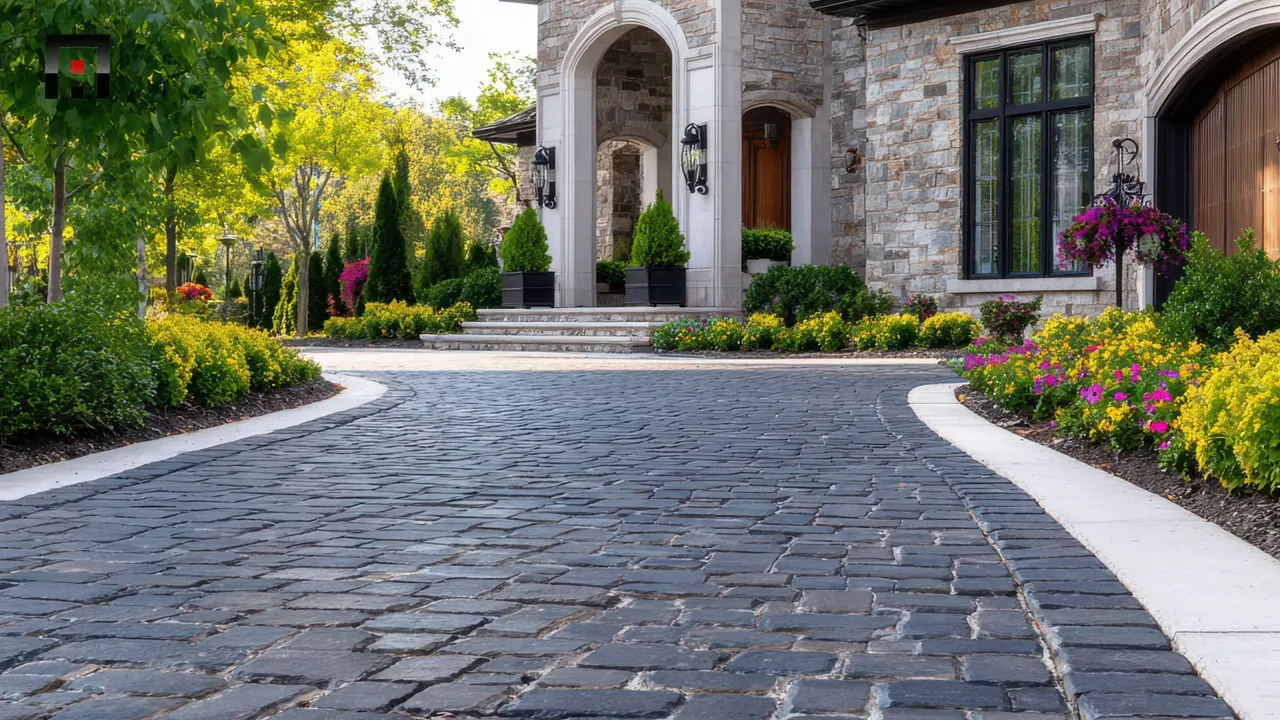
These visuals demonstrate how structure, planting, and material choices combine into distinct decoration styles.
🚀 Putting decoration into practice
Start with one change and let it guide the next. Replace faded planters, add a single arch, or install path lighting. Each decoration move informs the next step and helps the whole composition come into focus.
We encourage experimentation. Decoration is as much about personal feeling as it is about rules. Use the checklists and material lists above, pick a starting project, and build from there. Small, intentional changes compound into a garden entrance that looks considered and feels like home.
Decoration is not a finish line. It is an ongoing conversation with your home—one we are excited to be part of.
Final notes
We’ve shared practical decoration strategies across styles from minimalist to Mediterranean. The secret is to choose a clear direction, limit materials, layer lighting, and select plants that suit your climate and maintenance preferences. Done thoughtfully, decoration turns an ordinary entrance into a welcoming retreat that reflects how you live.
Decoration for the Front Door: Transforming Your Entryway Garden with Gates, Arches, and Minimalist Courtyards. There are any Decoration for the Front Door: Transforming Your Entryway Garden with Gates, Arches, and Minimalist Courtyards in here.

