We want the living room to be the beating heart of our home. That means combining comfort, style, and real-life functionality so the space feels welcoming and looks intentional. Modern living room design favors clean lines, neutral palettes, and smart layouts that let light and life flow freely through the home. This post is a hands-on playbook for creating a modern living room that fits our lifestyle and makes our home feel like home.
Table of Contents
- ✨ Key takeaways for a modern home living room
- 🔥 The core elements that make a living room feel like home
- 🛋️ Layout and flow that respect the way we use our home
- 🛋️ Choosing furniture that anchors our home
- 📦 Storage and organization that preserve the calm in our home
- 💡 Lighting strategies that make the home feel warm and layered
- 🖼️ Decor and accessories that make the room feel like home
- 🌿 Bringing nature into the living room and home
- 🏷️ Materials and finishes that read modern and enduring
- 💸 Budgeting and shopping wisely for a home that lasts
- 🧭 Practical layout blueprints for common home scenarios
- 🛒 A practical shopping checklist for our home living room
- 📋 Maintenance and styling rituals that keep the home feeling fresh
- 🔍 Common mistakes and how we avoid them in our home
- 🧩 Styling scenarios: small changes that transform a home
- Final thoughts on designing a modern living room that is truly home
✨ Key takeaways for a modern home living room
- Simplicity wins — prioritize clean lines, good materials, and uncluttered surfaces.
- Function first — arrange furniture for conversation, traffic flow, and multiuse living.
- Light matters — maximize natural light and layer artificial lighting for mood and tasks.
- Texture and color — neutral foundations with carefully chosen accents keep the home feeling calm and modern.
- Storage is design — smart storage keeps the room tidy without sacrificing style.
🔥 The core elements that make a living room feel like home
At its best, modern living room design rests on three pillars: simplicity, functionality, and aesthetics. We use minimal clutter, clear architectural lines, and practical layouts to create rooms that invite relaxation and socializing. The combination of these elements makes any space feel like home regardless of size.
Simplicity means editing aggressively. Choose a few standout pieces and let negative space do the rest. Simplicity is not coldness. When we pick warm materials and soft textiles, the result is modern and comfortable.
Functionality means designing for how we actually live. If our home is a place for family movie nights, the seating must be comfortable and oriented toward the screen. If we entertain often, the layout must support conversation and movement. Everything should have a purpose.
Aesthetics tie the room together. Neutral color palettes like white, beige, gray, and taupe create a calm backdrop. We then introduce color through accents such as pillows, rugs, and art. High quality materials like natural wood, brushed metal, and textured fabrics make the room feel elevated and long lasting.
🛋️ Layout and flow that respect the way we use our home
A thoughtful layout is the difference between a room that looks styled and a room that functions. We always start by mapping how people will move through the space and what the primary activities will be. From there we design zones that support those activities.
Open layouts that make small home spaces feel larger
Open-plan living is a hallmark of modern design. When a living room connects to a kitchen or dining area it feels airier and more social. To create distinct zones without walls we rely on furniture placement and rugs. A rug under the seating area or a strategically placed console can define the living room while keeping the home open and connected.
Establish a focal point
Every living room needs something that anchors the space. In modern homes a focal point can be a TV mounted on a minimal media unit, a fireplace with clean surround, or a large window framing an outdoor view. The focal point determines how to orient seating and where to draw the eye.
Prioritize flow and accessibility
Leave clear walking paths and avoid tight clusters of furniture. We aim for about 30 to 36 inches between major pieces so people can move comfortably. When the living room is used for multiple purposes pick modular pieces such as sectional sofas or ottomans with storage that can be reconfigured as needed.
🛋️ Choosing furniture that anchors our home
Furniture is the wardrobe for our living room. The right picks create a timeless foundation that makes the room feel like home. We always look for pieces that combine comfort, proportion, and memory-proof style.
Sofas and seating
The sofa is often the statement piece. For a modern home, we choose sofas with clean lines and neutral upholstery that allow us to change accents seasonally. Sectionals work well in larger rooms because they create a natural conversation area and can be arranged to separate zones. In smaller homes a love seat or two slender armchairs maintain scale and keep the room feeling open.
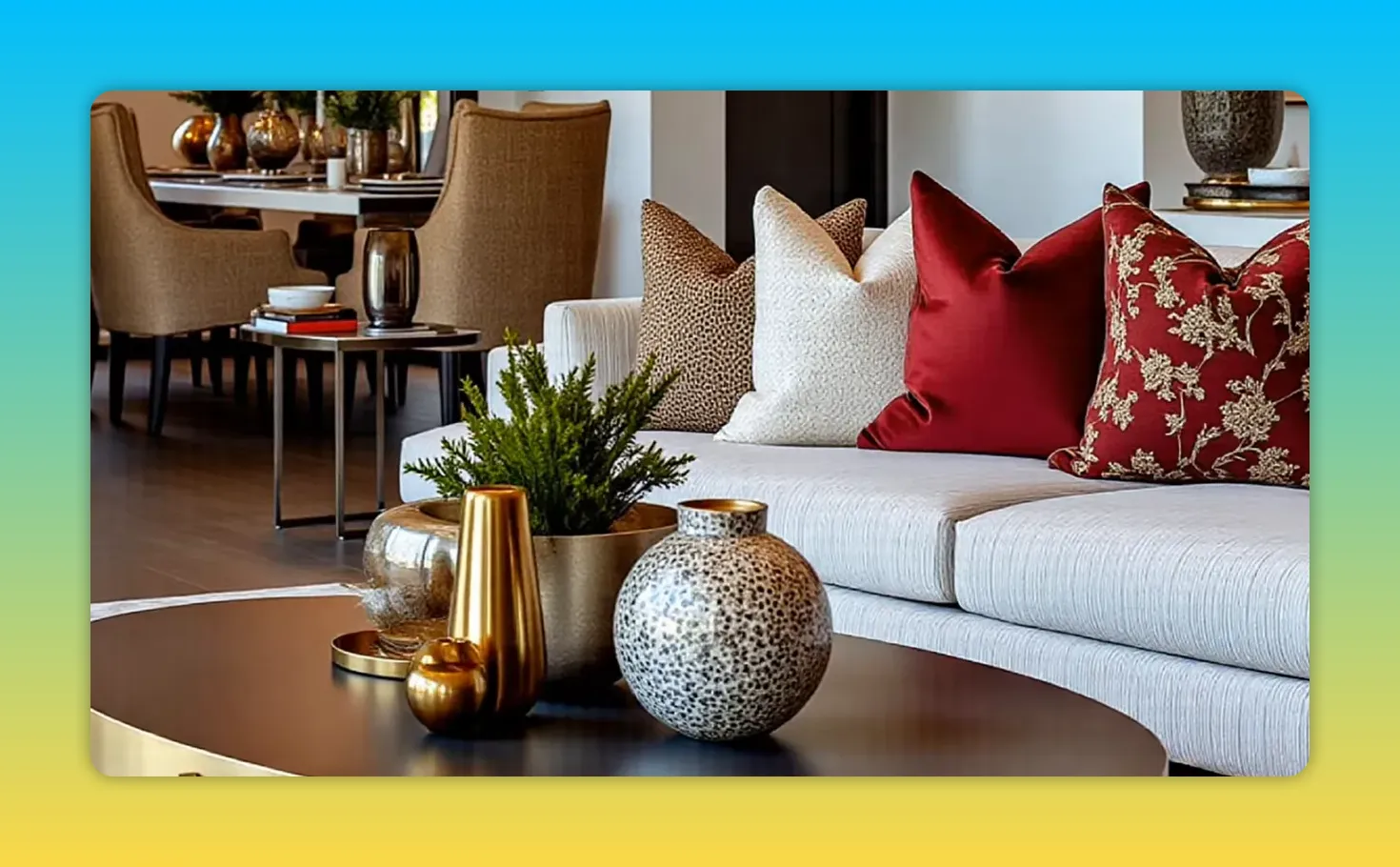
Tip: Pick a sofa color that blends with your walls and floors. Neutral upholstery increases flexibility and helps the room age gracefully.
Coffee tables and side tables
Modern tables favor simplicity and utility. Glass tops, slim metal frames, or warm wood surfaces are all great options. Nested tables add flexibility for entertaining while a coffee table with hidden storage helps keep the home clutter free.
Multifunctional pieces
Look for ottomans that double as storage, benches that provide extra seating, and modular sofas that adapt to different configurations. These choices are especially valuable in smaller homes where every piece must pull double duty.
📦 Storage and organization that preserve the calm in our home
Storage is one of the most underrated design elements. In a modern home, storage is an opportunity to keep surfaces clean and display the things that matter.
- Closed storage — cabinets and drawers hide electronics, kids toys, and everyday clutter.
- Open shelving — used sparingly to display curated books, ceramics, and personal objects.
- Media consoles — choose minimal units with cable management to keep the living room tidy.
We create a storage plan before buying furniture. That ensures every item has a home and the room stays organized.
💡 Lighting strategies that make the home feel warm and layered
Lighting sets the mood and makes a modern living room functional at every hour. We design lighting in layers: natural, ambient, task, and accent.
Maximize natural light
Natural light gives the home a sense of openness and energy. Large windows, sliding glass doors, and skylights bring daylight deep into the space. Use sheer curtains to soften glare without losing brightness. When natural light is central to the living room we position seating to enjoy it.

Layered artificial lighting
Combine recessed ambient lights with floor lamps, table lamps, and wall sconces so the lighting can shift with the activity. Use dimmers to control mood. Task lamps assist reading and hobbies. Accent lights highlight art, architectural features, or a textured wall.
Lighting tips for a modern home
- Install dimmers on overheads to create instant ambiance.
- Use warm color temperatures between 2700K and 3000K for living spaces.
- Mix light sources at different heights for depth and visual interest.
🖼️ Decor and accessories that make the room feel like home
Decor should support the design, not dominate it. We build a neutral base and introduce accents that reflect personality and mood. Keep the palette cohesive and use texture to create warmth.
Color and accents
Neutral tones form the foundation. We layer in accent colors through pillows, rugs, and art. Deep blues, rich greens, and warm ochres work especially well in modern settings. The goal is to add visual interest while keeping the overall look calm and refined.
Textiles and rugs
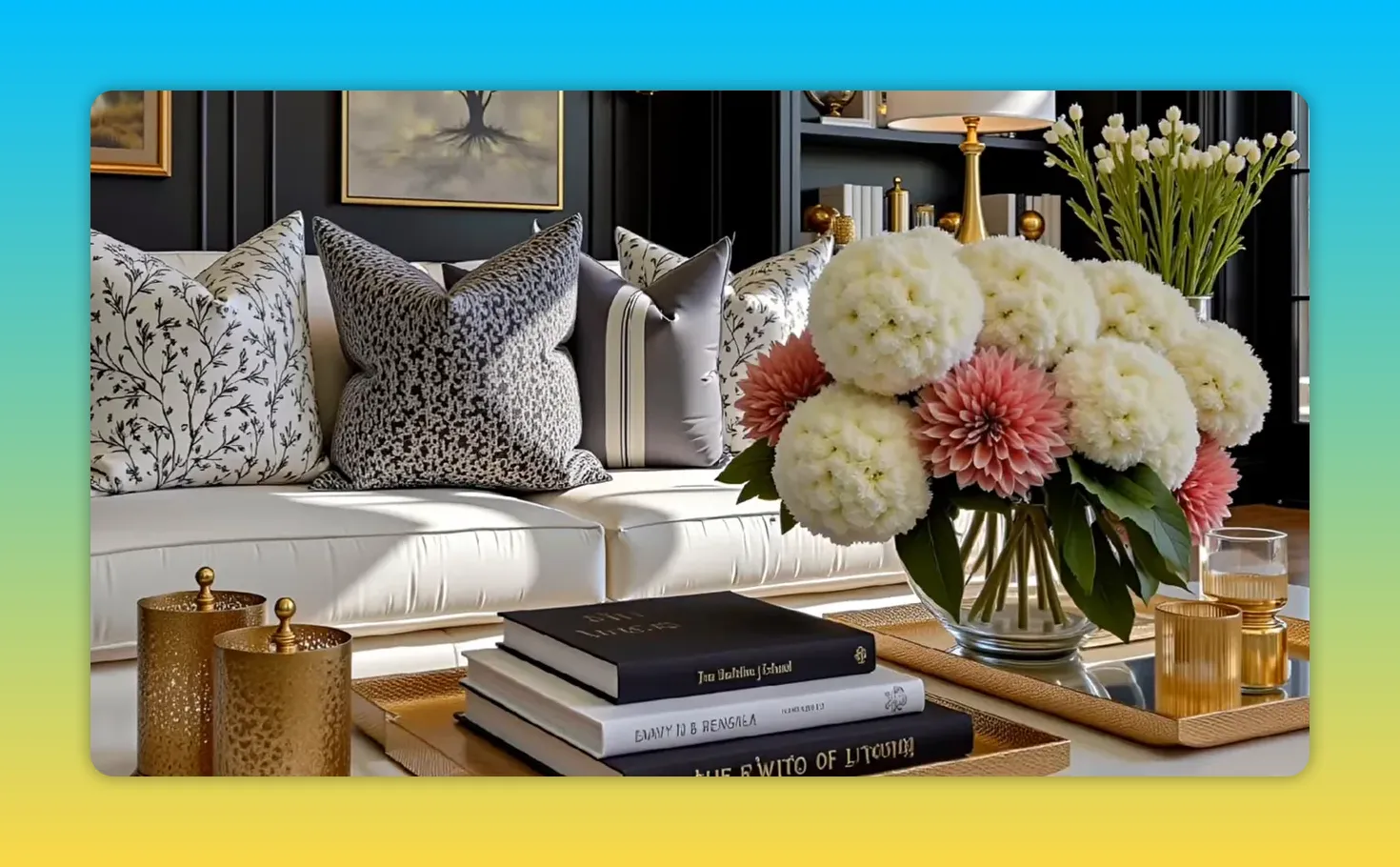
Textiles bring tactile warmth to a modern home. Choose blankets and cushions in cotton, linen, or wool to add softness. Rugs define seating zones and add pattern and texture. Geometric patterns or subtle textures complement modern lines without competing with them.
Art and wall treatments
Minimalist wall art, mirrors, or decorative panels make powerful statements. For a personal touch create a gallery wall with matched frames or stick to a single large piece that anchors the seating area. Keep frames and mounts simple so the wall feels curated rather than cluttered.
🌿 Bringing nature into the living room and home
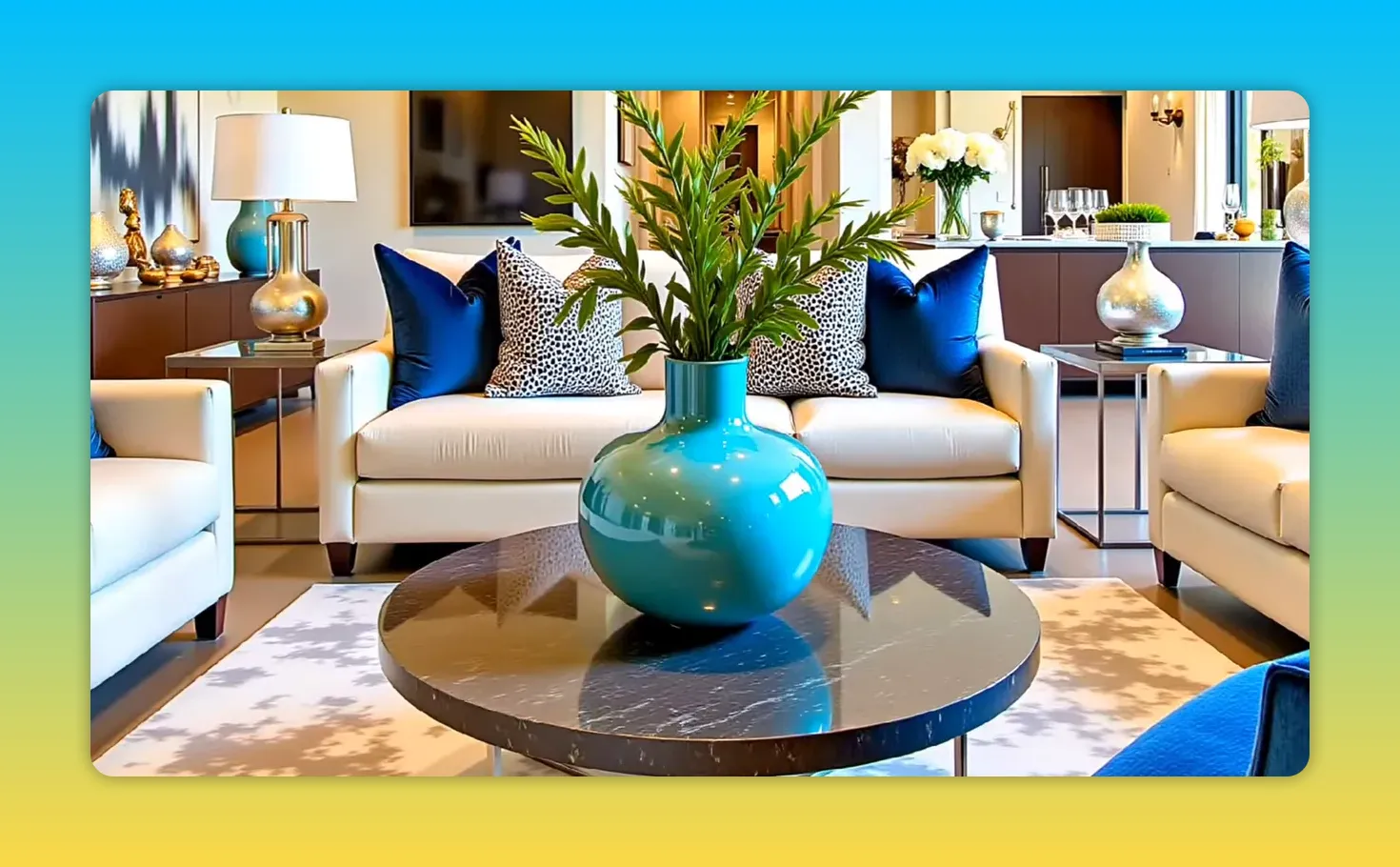
Plants are the easiest way to add life to a modern living room. We choose low-maintenance varieties and pair them with sleek planters to keep the look modern and effortless.
- Large floor plants like fiddle leaf figs or rubber plants add height and drama.
- Mid-size pots with ferns or peace lilies fill empty corners with soft green texture.
- Small plants such as succulents or snake plants work on shelves and side tables.
Plants help the home feel relaxed and lived in. We display greenery in groups at varying heights to create a natural vignette rather than scattered single pots.
🏷️ Materials and finishes that read modern and enduring
Materials define the tactile character of a space. We favor a mix of natural and engineered surfaces that age well and look sophisticated in the home.
- Wood — warm oak or walnut anchors the palette and adds longevity.
- Metal — brushed brass or matte black hardware adds contrast and modernity.
- Stone and concrete — for coffee tables or fireplace surrounds to introduce sculptural weight.
- Textiles — natural fibers like linen and wool feel inviting underfoot and on the sofa.
We balance these textures so the living room feels layered and intentional rather than busy.
💸 Budgeting and shopping wisely for a home that lasts
Creating a beautiful living room does not require spending a fortune. We focus budget on the pieces that matter most and save on items that are easy to replace.
- Invest in a durable sofa and a solid media console.
- Save on accent chairs, side tables, and decorative items that can be swapped seasonally.
- Mix high and low to achieve a curated look without overspending.
When buying we pay attention to scale and proportion. A cheap oversized sofa will feel wrong in a modest home. Buy to size and build the room piece by piece.
🧭 Practical layout blueprints for common home scenarios
Here are a few reliable layouts we use depending on room shape and function.
Rectangular living room used for TV and conversation
- Place the sofa parallel to the longest wall.
- Mount the TV on the wall across from the sofa or center it on a low console.
- Use a rug to anchor seating and add a pair of chairs opposite the sofa for balance.
Open-plan living that needs zoning
- Position the sofa back toward the kitchen or dining area to create a visual boundary.
- Use a rug and low console to define the living area.
- Keep pathways clear and use shelving or slim furniture as subtle dividers.
Small living room that must feel airy
- Choose armless chairs and a compact sofa to maximize floor space.
- Use mirrors to amplify light and create depth.
- Rely on vertical storage to minimize clutter on the floor.
🛒 A practical shopping checklist for our home living room
Before we shop, we measure the room and note door swings and window locations. Then we use this checklist to guide purchases.
- Measure doorways, stairs, and elevators to ensure furniture fits through delivery paths.
- Measure the floor plan and mark the sofa and rug footprint on the floor with painter's tape.
- Decide on a neutral base color for upholstery and walls.
- Choose two accent colors to use across pillows, throws, and art.
- Pick a primary material palette such as walnut and brass or ash and black metal.
📋 Maintenance and styling rituals that keep the home feeling fresh
We keep the living room in top form with a few simple routines.
- Weekly reset — fold throws, fluff cushions, and clear surfaces.
- Monthly edit — rotate books, switch art, and evaluate what is accumulating on shelves.
- Seasonal swap — change textures and accents to refresh color and mood.
These small habits make a big difference. The living room will always feel like home when it is cared for intentionally.
🔍 Common mistakes and how we avoid them in our home
Knowing what to avoid is as important as knowing what to do. Here are the pitfalls we watch for.
- Overcrowding — avoid filling the room with too many pieces. Negative space matters.
- Mismatched scale — keep furniture proportionate to the room. A tiny coffee table disappears under a large sectional.
- Poor lighting — do not rely on a single ceiling fixture. Layer light.
- Ignoring traffic flow — place furniture so everyone can move through the room without obstacles.
🧩 Styling scenarios: small changes that transform a home
We often achieve big impact with small interventions. Here are quick swaps that elevate the living room instantly.
- Swap light bulbs for warmer tones to make the home feel cozier.
- Replace cluttered coffee table trays with a single sculptural object and a stack of books.
- Group three to five plants together rather than scattering tiny pots everywhere.
- Hang art at eye level above the sofa to anchor the seating area.
Final thoughts on designing a modern living room that is truly home
Designing a living room is an invitation to balance style and daily life. We aim for rooms that look curated but function effortlessly as part of our home. That means prioritizing comfort, clear layouts, layered lighting, and materials that stand the test of time. Neutral foundations give us freedom to add personality through color, texture, and plants.
When we plan with purpose and invest in the pieces that matter, our living room becomes a space we love to spend time in. It becomes the heart of the home.
Modern Living Room Ideas for a Cozy, Elegant Home. There are any Modern Living Room Ideas for a Cozy, Elegant Home in here.

