We often find that the word decoration is used to describe surface-level details, but with Mediterranean Tuscan-style homes it means something deeper. Decoration here is an act of layering history, materials, and light so that each room feels like a calm, lived-in refuge. This piece explores why that approach to decoration feels especially relevant in 2026, how we can apply it in modern projects, and practical ideas for making decoration choices that last.
Table of Contents
- Exterior Character 🌿
- Gardens and Landscaping 🌸
- Entryways and First Impressions 🚪
- Living Rooms: Warmth and Texture 🛋️
- Dining Spaces: Communal Luxury 🍷
- Kitchens: Rustic Heart, Modern Function 🍽️
- Bedrooms: Layered Retreats 🛏️
- Bathrooms: Spa-Like Simplicity 🛁
- Details That Tell a Story 🧩
- Balancing Rustic and Refined ⚖️
- Lighting, Color, Texture 💡
- Practical Living: Function Meets Beauty 🧰
- Adaptability Across Climates and Cities 🌍
- How to Plan Decoration Like a Pro 🗂️
- Common Mistakes in decoration and How to Avoid Them 🚫
- Budget-Friendly Decoration Moves 💸
- Sourcing and Shopping for decoration 🛒
- Decoration for Longevity: Material Choices and Maintenance 🧼
- Decoration Examples: Room-by-Room Inspiration 🖼️
- Our Approach to Sustainable decoration ♻️
- Final Thoughts ✨
Exterior Character 🌿
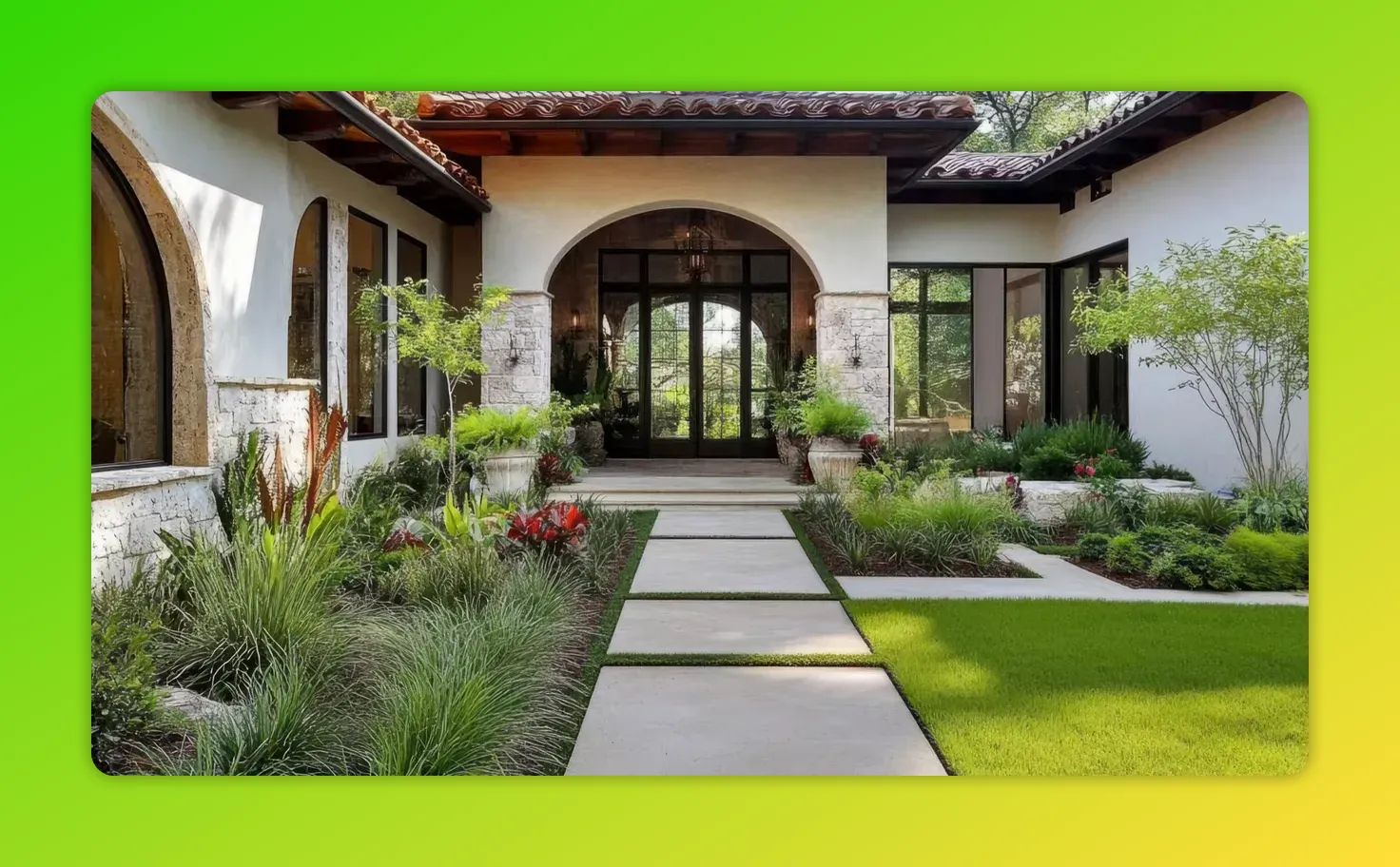
The first impression of a Tuscan house is rarely about the interior; it is the exterior decoration and architecture that set the tone. Soft, earthy paint hues, textured stucco, and terracotta roof tiles create an immediate sense of place. When we plan exterior decoration, we prioritize materials that age gracefully and gain patina over time.
- Material-first decoration: Use local stone accents and hand-applied stucco for authenticity.
- Architectural decoration: Arched entryways, exposed rafter tails, and classic cornices anchor the composition.
- Modern touches in decoration: Oversized windows, custom ironwork, and clean-lined glass doors give a contemporary counterpoint without erasing the historic feel.
Good exterior decoration intentionally blurs the boundary between formal architecture and garden setting. We recommend keeping palettes within a family of ochres, warm grays, and soft golds so that the building reads as an extension of the landscape.
Gardens and Landscaping 🌸
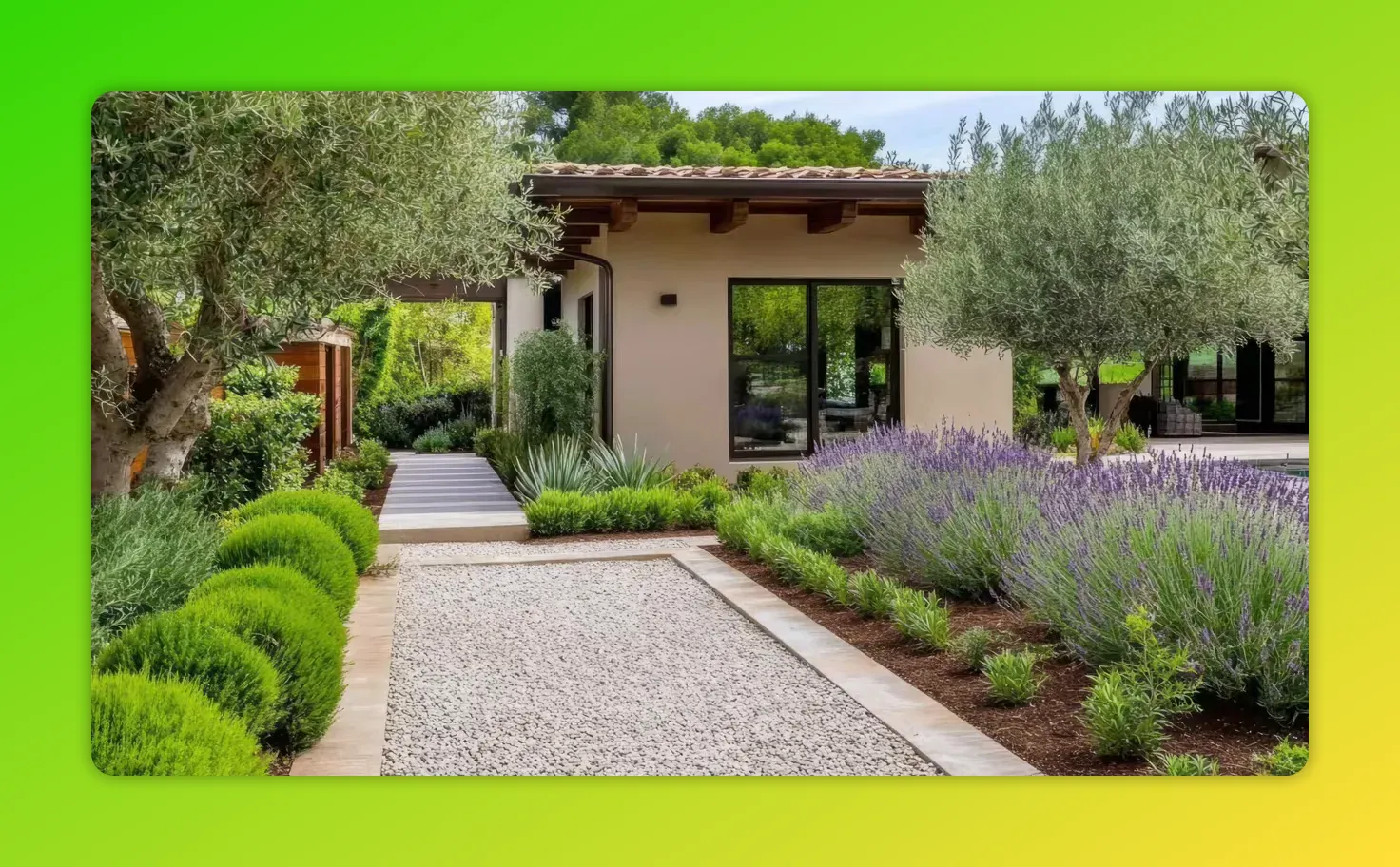
Outdoor decoration in the Tuscan tradition is as much sensory as it is visual. Mature olive trees, fragrant lavender borders, and gravel pathways lined with rosemary create an arrival experience that is both calming and unmistakably Mediterranean.
When we talk about landscaping as a form of decoration, we mean designing layers that engage sight, smell, and sound:
- Layered planting decoration: Combine evergreen structure with seasonal blooms for year-round interest.
- Hardscape decoration: Gravel paths, stone terraces, and low stone walls provide texture and durability.
- Water as decoration: A bubbling fountain or small reflecting pool enhances ambience and microclimate.
Landscaping decoration should always consider maintenance and local climate. In 2026 we are leaning toward drought-tolerant species and sustainable irrigation without compromising the classic aesthetic.
Entryways and First Impressions 🚪
Entryways are the moment of reveal, and their decoration dictates how we move between outdoors and in. Heavy, hand-carved wooden doors, iron accents, and mosaic tiles are simple but powerful decorative tools.
For entryway decoration we focus on a few rules:
- Scale matters. Grand doors or double doors create a ceremonial approach without being ostentatious.
- Layered texture. A plastered entry wall, iron lantern, and a handwoven rug form an immediate tactile narrative.
- Curated objects. A single antique chest, a cluster of framed ceramic tiles, or a rustic mirror completes the decorative composition.
Lighting is part of decoration here. Soft, warm glow from pendants or sconces gives the space presence and complements natural materials.
Living Rooms: Warmth and Texture 🛋️
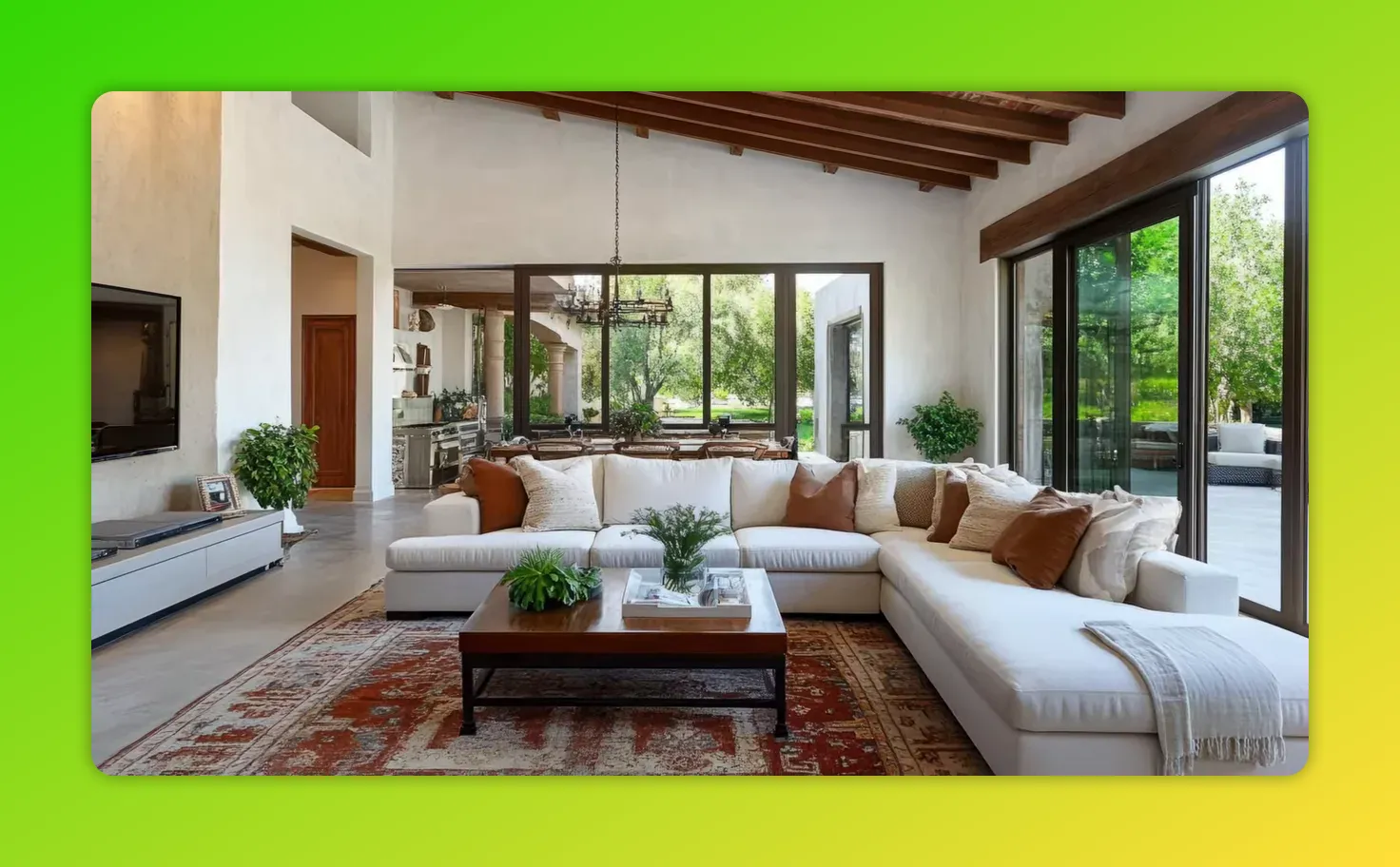
The living room in a Tuscan-inspired home reads like a well-traveled retreat: high beamed ceilings, open floor plans, textured plaster walls, and oversized comfortable seating. Decoration in this context is about creating layered, inviting spaces that welcome lingering.
We approach living room decoration with three priorities:
- Comfort-first furniture decoration. Plush, oversized seating in durable natural fabrics invites use.
- Textural decoration. Vintage rugs, woven throws, and tactile wall finishes add depth.
- Balanced accents. A modern coffee table or streamlined shelving can sit comfortably alongside an aged chest or antique rug.
For 2026, decoration trends involve blending classic elements with modern restraint—sleek sofas upholstered in natural linen next to a restored heirloom cabinet, for example. This combination preserves the authenticity of the style while meeting contemporary expectations for comfort and proportion.
Dining Spaces: Communal Luxury 🍷
Tuscan dining rooms celebrate communal living. Long reclaimed wood tables, comfortable seating, chandeliers with soft light, and walls that display pottery or murals form the heart of celebration. Decoration here supports hospitality; every choice makes meals feel like a ritual.
Key approaches to dining room decoration:
- Anchor with wood. A reclaimed table is not just furniture, it is an essential decorative anchor.
- Use decorative niches. Arched niches with ceramics or greenery act as three-dimensional artwork.
- Layer lighting. Combine a statement chandelier with wall sconces or candles for a decorative lighting scheme.
We recommend choosing durable finishes and comfortable seating so that decoration translates into everyday usability. Decorative mirrors and murals also amplify light and narrative without competing with the meal.
Kitchens: Rustic Heart, Modern Function 🍽️
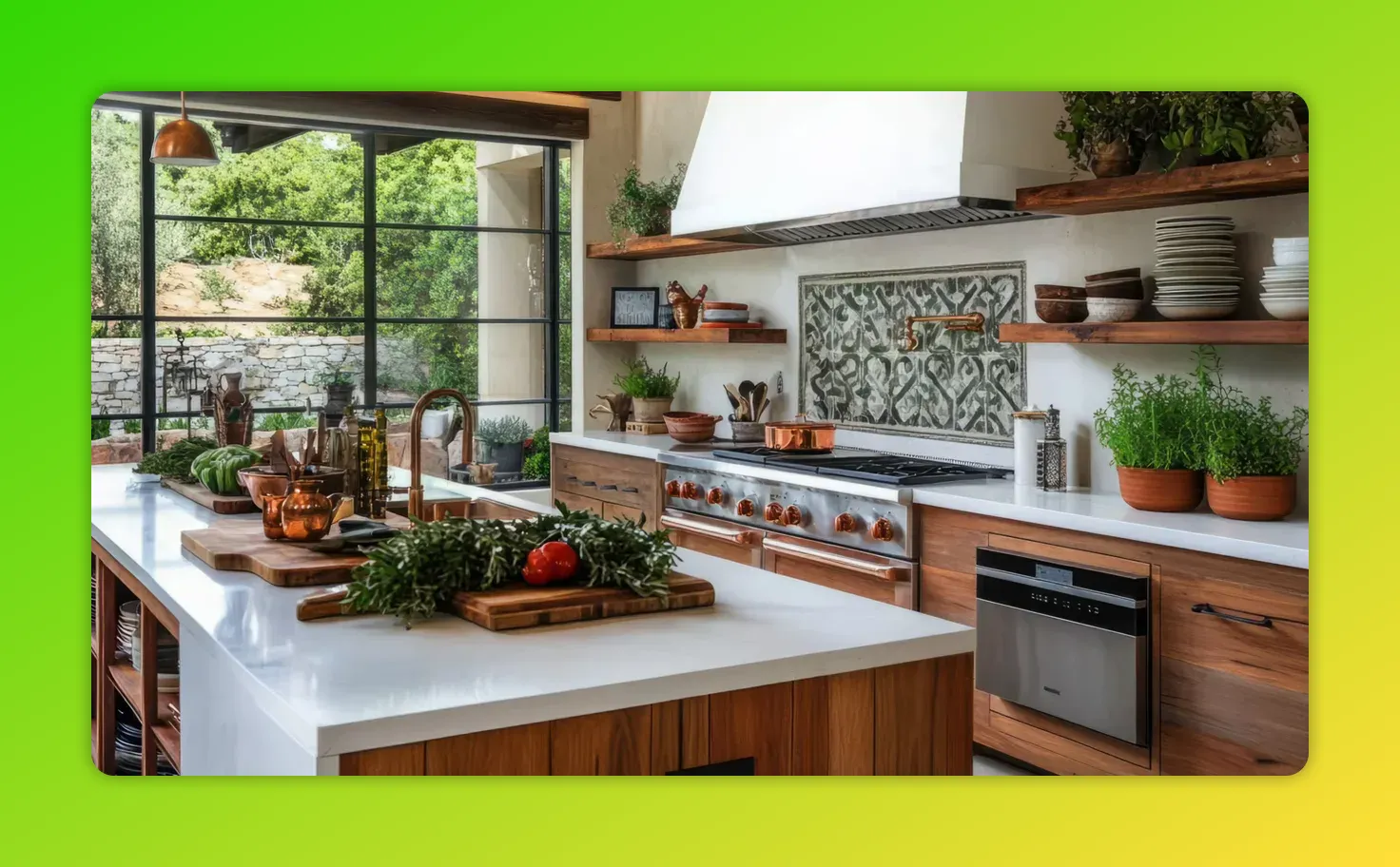
Kitchens are decoration in motion. The Tuscan approach treats the kitchen as both a working room and a stage for everyday living. Open shelving, farmhouse sinks, stone countertops, and hand-forged hardware form a tactile decorative vocabulary.
For a kitchen where decoration and performance coexist, consider these strategies:
- Visible craft. Exposed beams, hand-applied plaster walls, and artisanal tile backsplashes highlight decorative craft.
- Integrated appliances. Modern appliances hidden behind traditional cabinetry allow decoration to remain stylistically coherent while delivering convenience.
- Functional decorative elements. Copper pots, a hanging herb rack, and open shelving with curated crockery become decoration that is used daily.
Island decoration deserves special attention. Oversized islands provide both workspace and social focus. We balance decorative finishes with durable surfaces that can handle heavy use.
Bedrooms: Layered Retreats 🛏️
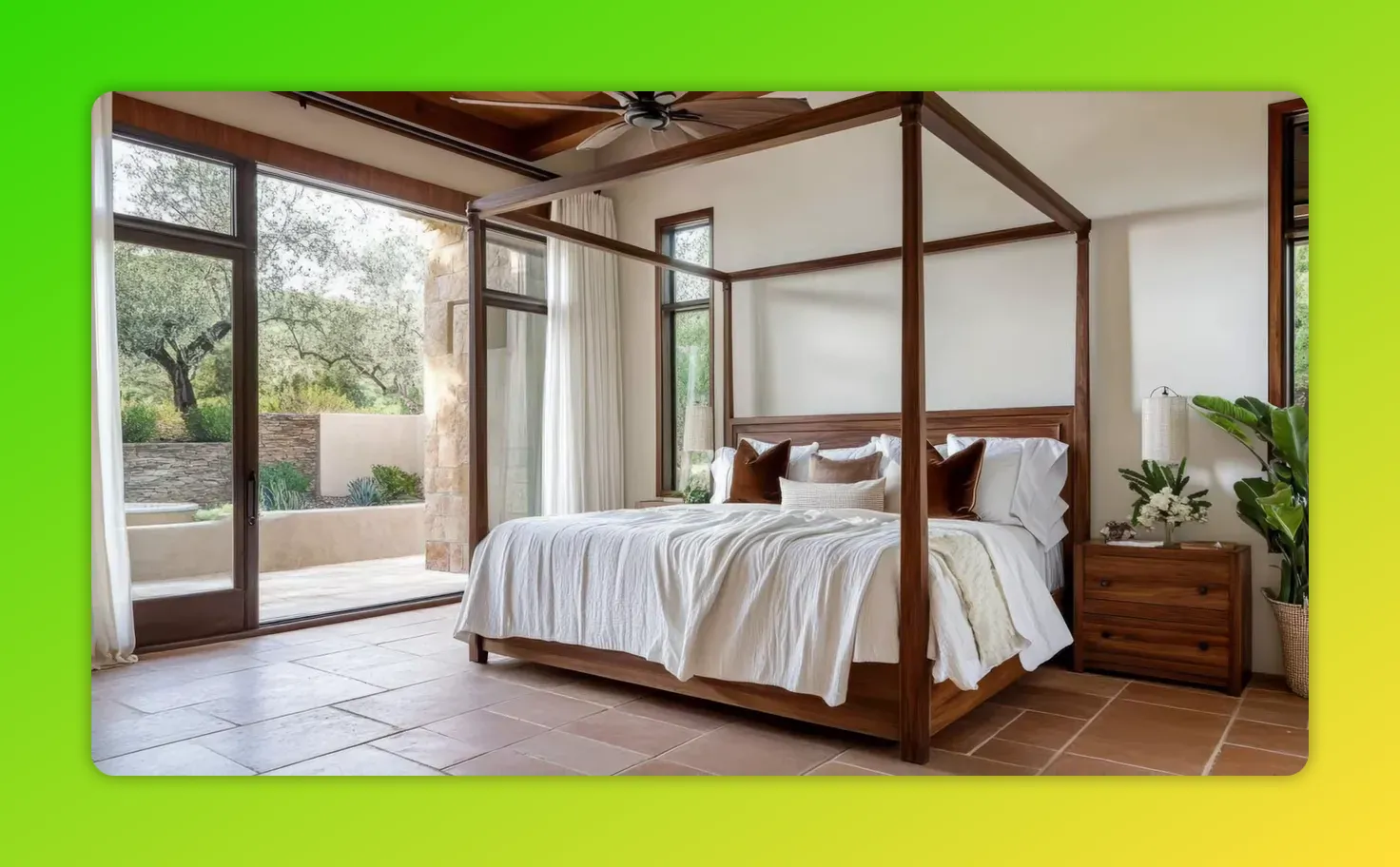
Bedrooms in Tuscan-inspired homes are meant to cocoon. The decoration here is restrained and tactile: four-poster beds draped with linen, terracotta or stone flooring, and layered textiles that invite touch.
Bedroom decoration principles we use:
- Textile layering. Combine linen sheets, velvet cushions, and wool throws for warmth and visual richness.
- Natural tones. Walls in warm muted hues act as a soft backdrop for decorative accents.
- Functional decoration. Built-in storage integrated into the room’s aesthetic keeps decoration purposeful rather than cluttered.
Small decorative gestures—an iron ceiling fan, an encaustic tile headboard, or a curated bedside stack of objects—make bedrooms feel personal and calm.
Bathrooms: Spa-Like Simplicity 🛁
Bathrooms offer an opportunity to make quiet, elegant decoration choices. Walk-in showers lined with stone, deep soaking tubs, and custom vanities carved from reclaimed wood create a spa-like atmosphere. Decoration here is tactile and material-led.
When planning bathroom decoration we focus on:
- Layered materials. Stone, wood, and hand-glazed tiles combine in a decorative palette that resists trend-driven change.
- Artisanal fixtures. Faucets and hardware that feel hand-forged add subtle decorative character.
- Modern comfort. Heated floors, integrated lighting, and water-efficient fixtures support decoration with modern performance.
In 2026, bathroom decoration often emphasizes sustainability: low-flow fixtures, recycled materials, and locally crafted tiles that reduce transport impact while preserving the style’s soul.
Details That Tell a Story 🧩
More than a set of colors or shapes, decoration in Tuscan homes is about storytelling. Arched doorways, hand-painted ceilings, wrought-iron stair rails, and tiled fireplaces are decorative elements that reference craft and history.
We use details to convey narrative by:
- Choosing provenance. Salvaged elements or locally commissioned pieces make decoration personal and unique.
- Focusing on craft. Decorative ironwork, ceramic tiles, and carved wood connect spaces to skilled makers.
- Prioritizing authenticity. Decorative wallpaper that mimics frescoes or reclaimed timber beams reads as intentional rather than themed.
Small decorative choices—like the pattern of a tile riser or the profile of a door handle—can shift the entire character of a room. We believe those moments are where decoration becomes meaningful.
Balancing Rustic and Refined ⚖️
One of the enduring strengths of the Mediterranean Tuscan approach is the balance between rustic charm and refined details. This balance is central to decoration: the juxtaposition of rough-hewn beams with smooth marble or weathered wood with polished bronze adds visual interest.
Guidelines for harmonizing in decoration:
- Contrast with intent. Use one highly finished surface against a rougher counterpart to create focal points.
- Limit palette. A restrained color and material palette prevents decoration from feeling busy.
- Repeat motifs. Repeating a decorative material, such as iron or terracotta, across rooms creates cohesion.
When we layer old and new, decoration reads as curated and comfortable rather than staged. The result is a home that feels collected over time, not assembled overnight.
Lighting, Color, Texture 💡
Lighting, color, and texture form the core vocabulary of decoration. They work together to create mood, define space, and invite touch.
Consider these decoration practices:
- Lighting as decoration. Wrought-iron chandeliers, lanterns, and wall sconces create warm pools of light that accentuate texture.
- Color as foundation. Earthy hues like ochre, terracotta, sage, and soft gold serve as the base in decoration; accents of deep blue or green evoke the sea and hills.
- Texture as invitation. Rough plaster, woven baskets, and hand-thrown ceramics invite touch and enrich the decorative surface.
Smart lighting systems are now part of decorative strategy. They allow us to tune the atmosphere, highlight decorative objects, and conserve energy without compromising warmth.
Practical Living: Function Meets Beauty 🧰
Decoration must never hinder daily life. Tuscan-inspired homes marry beauty with practicality: kitchen islands for work and gathering, ample storage disguised as furniture, and outdoor courtyards that function as additional living rooms.
Practical decoration strategies include:
- Purposeful furniture. Choose pieces that provide storage, comfort, and strong lines for decoration that supports living.
- Flexible spaces. Outdoor courtyards or covered loggias act as decorative extensions of interior rooms.
- Smart decoration. Integrated technology—hidden charging, discreet climate controls, and sustainable systems—keeps decoration uncluttered and usable.
We emphasize decoration that enhances routine: easy-to-clean surfaces, durable textiles, and decorative choices that age well.
Adaptability Across Climates and Cities 🌍
While rooted in Mediterranean climates, this style of decoration adapts surprisingly well to different environments and scales. In urban apartments the same principles apply: warm tones, textural finishes, and carefully selected decorative objects create a sense of place.
Adaptation ideas for decoration in non-Mediterranean contexts:
- Scaled materials. Use plaster finishes and scaled terracotta accents even in compact spaces.
- Indoor-outdoor flow. French doors or large windows blur boundaries and reinforce the decorative language of light and materials.
- Contextual decoration. Combine local plantings and regionally sourced stone to ground the decoration in place.
We find that the timelessness of this decoration style lies in its flexibility: the core tools remain useful regardless of location.
How to Plan Decoration Like a Pro 🗂️
Successful decoration begins with a clear plan. We typically follow a framework that helps maintain coherence while encouraging personal expression.
- Start with a material palette. Choose three primary materials and two accent materials. Let those guide finishes and furnishings.
- Decide on a color family. Keep wall tones and large surfaces within one warm family; add accents for contrast.
- Map out focal points. Identify the architectural features you want to highlight and plan decorative lighting and objects around them.
- Layer textiles. Bring in rugs, throws, and cushions gradually to test combinations for decoration and comfort.
- Curate objects. Limit decorative accessories to meaningful pieces that complement the palette and materials.
By treating decoration as a series of decisions rather than a series of purchases, we avoid over-decoration and create rooms that feel intentional and lasting.
Common Mistakes in decoration and How to Avoid Them 🚫
Even with a clear aesthetic, it is easy to misstep. Below are frequent errors and how we correct them.
- Over-accessorizing. Less is more. Too many decorative items dilute the story a room tells.
- Mismatched materials. Clashing decorative materials create visual dissonance. Keep to your chosen palette.
- Poor lighting. Bright, flat lighting flattens texture. Use layered lighting as decorative strategy.
- Ignoring function. Decoration that is fragile or impractical will be quickly replaced; prioritize durability.
We correct these mistakes by stepping back, reassessing the palette and function, and removing elements that do not reinforce the decorative intent.
Budget-Friendly Decoration Moves 💸
Creating a Tuscan-inspired home does not require unlimited resources. Strategic decoration choices produce a high-impact look for less.
- Focus on focal points. Invest in one or two high-impact decorative elements like a reclaimed table or an artisan tile backsplash.
- Use paint and plaster. Wall finishes in plaster or textured paint are affordable ways to transform surfaces with decorative effect.
- Mix new with reclaimed. Pair inexpensive modern furnishings with a few reclaimed decorative pieces to create authenticity.
- DIY decorative details. Simple projects—aging hardware with a patina finish, painting a mural border, or hand-distressing a frame—add character.
We often advise staging one room first. This allows decoration decisions to evolve and prevents overspend on unnecessary items.
Sourcing and Shopping for decoration 🛒
Sourcing the right decorative pieces is about balance between provenance, budget, and availability. In 2026, online marketplaces, local artisans, and salvage yards are all part of our procurement strategy.
Where to look for decoration:
- Local artisans. Ceramics, ironwork, and hand-glazed tiles made locally support authenticity and can often be customized.
- Salvage yards and architectural dealers. Reclaimed beams, terracotta tiles, and vintage hardware are decorative goldmines.
- High-quality reproductions. For certain decorative elements, well-made reproductions offer the right look at a lower price.
- Textile ateliers. Investing in linen, wool, and natural fiber textiles elevates decoration and comfort.
We recommend building a small mood board for decoration decisions to ensure materials, finishes, and furniture work together before purchase.
Decoration for Longevity: Material Choices and Maintenance 🧼
Decoration that outlives trends uses materials that age with dignity. Terracotta, natural stone, lime plaster, and hardwood all develop a patina that enriches the decorative story.
Maintenance-friendly decoration tips:
- Choose durable finishes. Opt for sealed natural stone or treated wood in high-traffic areas.
- Plan for repair. Decorative surfaces should be repairable; choose materials and techniques that allow local patching.
- Use protective textiles. Rugs and throws protect floors and surfaces while contributing to decoration.
We advise clients to select materials that will improve with time, turning decoration into an investment rather than a seasonal update.
Decoration Examples: Room-by-Room Inspiration 🖼️
Here are concrete decoration combinations that have proven successful in our projects. These examples highlight how the same decorative language adapts across different rooms.
Example 1: Entry and Hall
- Limestone floor, smoked oak console, hand-blown glass pendant, mosaic tile inlay. Decorative outcome: welcoming, tactile, and durable.
Example 2: Kitchen
- Cinderblock island base with soapstone countertop, copper range hood, open shelving displaying earthenware. Decorative outcome: functional, warm, and lived-in.
Example 3: Master Suite
- Textured lime plaster walls, four-poster bed in dark wood, layered linen bedding, woven jute rug. Decorative outcome: restful, textural, and timeless.
These decoration examples show how disciplined material choices create cohesive rooms that feel both comfortable and elevated.
Our Approach to Sustainable decoration ♻️
We are increasingly integrating sustainability into decoration choices. Reclaimed materials, low-VOC finishes, and locally made decorative elements reduce environmental impact and support craft traditions.
Practical sustainable decorative moves:
- Choose reclaimed tiles and wood for flooring or feature walls.
- Select low-VOC plasters and paints to preserve indoor air quality while maintaining decorative finishes.
- Partner with local makers to commission decorative pieces and reduce shipping footprint.
Sustainable decoration is not a sacrifice; it often enhances the authenticity and story of a space.
Final Thoughts ✨
Mediterranean Tuscan decoration endures because it is fundamentally human. It privileges warmth, materials that speak to time, and details that reward attention. In 2026 our decoration choices are increasingly about restraint, craft, and adaptability—qualities that keep the style relevant across contexts.
When we approach decoration as a thoughtful process—starting from material and light, working through texture and function, and finishing with curated objects—we create homes that feel timeless and personal. Decoration becomes not just ornament but a way to live well.
Practical next steps:
- Choose your material palette and color family first.
- Invest in one meaningful decorative element per room.
- Test textiles and finishes in natural light before finalizing decoration.
Why Mediterranean Tuscan-Style Homes Feel So Timeless: decoration and Design Trends for 2026. There are any Why Mediterranean Tuscan-Style Homes Feel So Timeless: decoration and Design Trends for 2026 in here.

