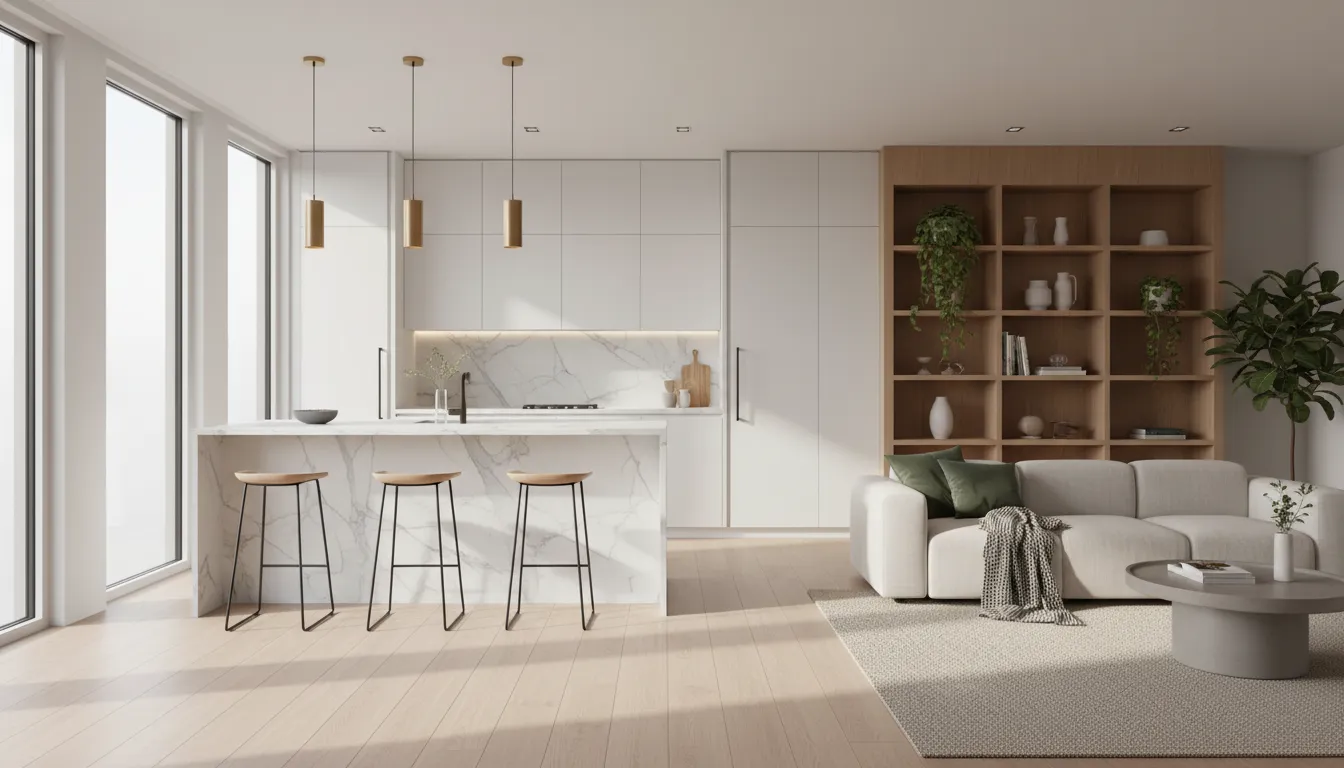
Open layouts make a home feel bigger, brighter, and more connected—if we get a few fundamentals right. Whether we’re renovating an older house or building new, the goal is the same: create a space that functions for everyday life and looks like it belongs in a design magazine. Below are practical, energetic strategies to turn an oversized, divided area into a cohesive, stylish home.
Table of Contents
- Layout and traffic flow 🚶
- Color and cohesion 🎨
- Lighting layers 💡
- Flooring: the invisible wall 🪵
- Design checklist: quick wins ✅
- Make it yours — next steps ✨
Layout and traffic flow 🚶
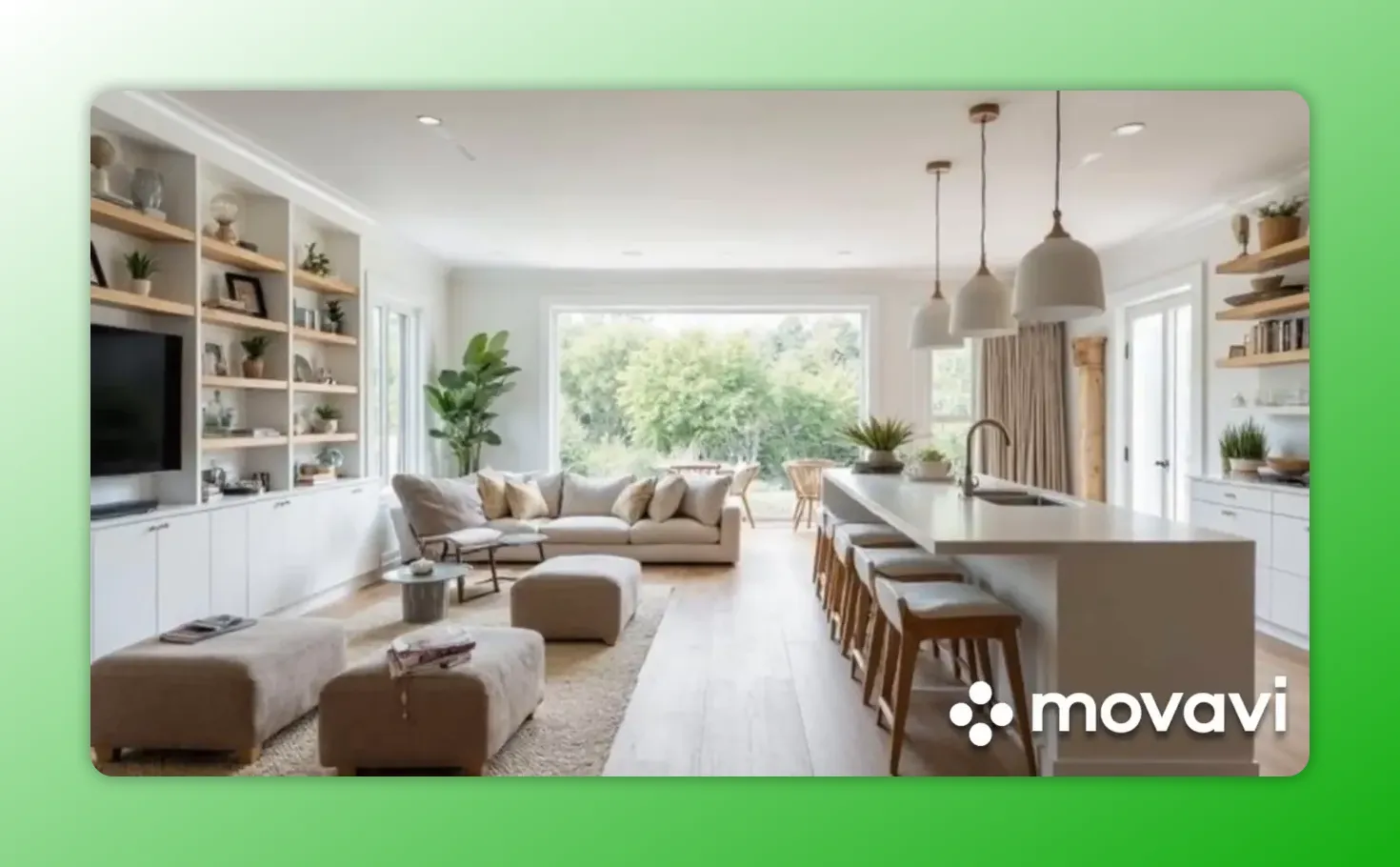
Move through the space like you actually live in it. The number one misstep is placing furniture that interrupts natural paths. We map the room in zones: a working zone for the kitchen and a relaxation zone for the living area. That simple mindset keeps the home organized and intuitive.
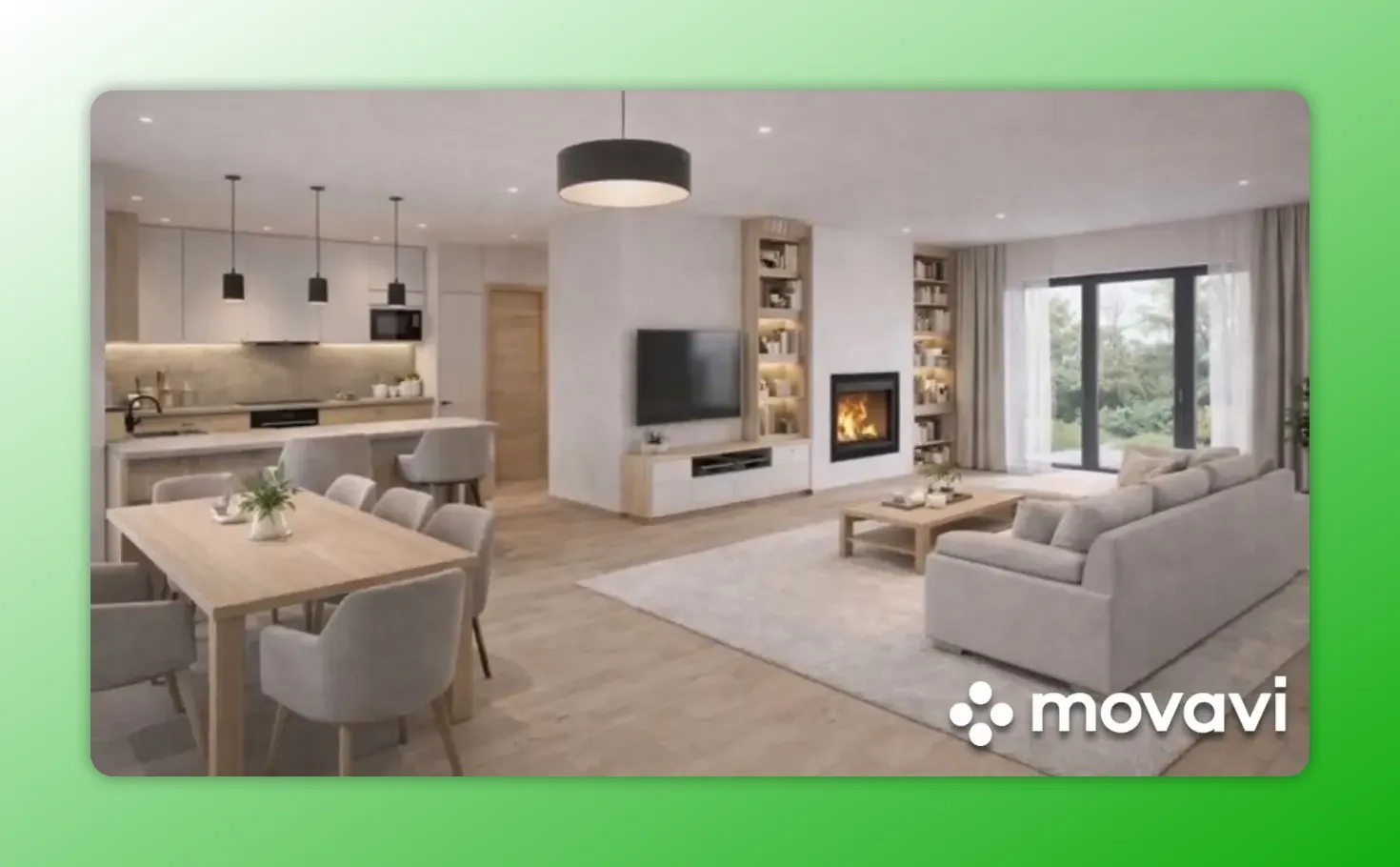
A large kitchen island is our favorite tool. It acts as a functional divider without blocking sightlines. With an island, we define the kitchen footprint, add prep and storage, and still stay part of conversations happening on the sofa. Think of it as the social backbone of the home.
Color and cohesion 🎨
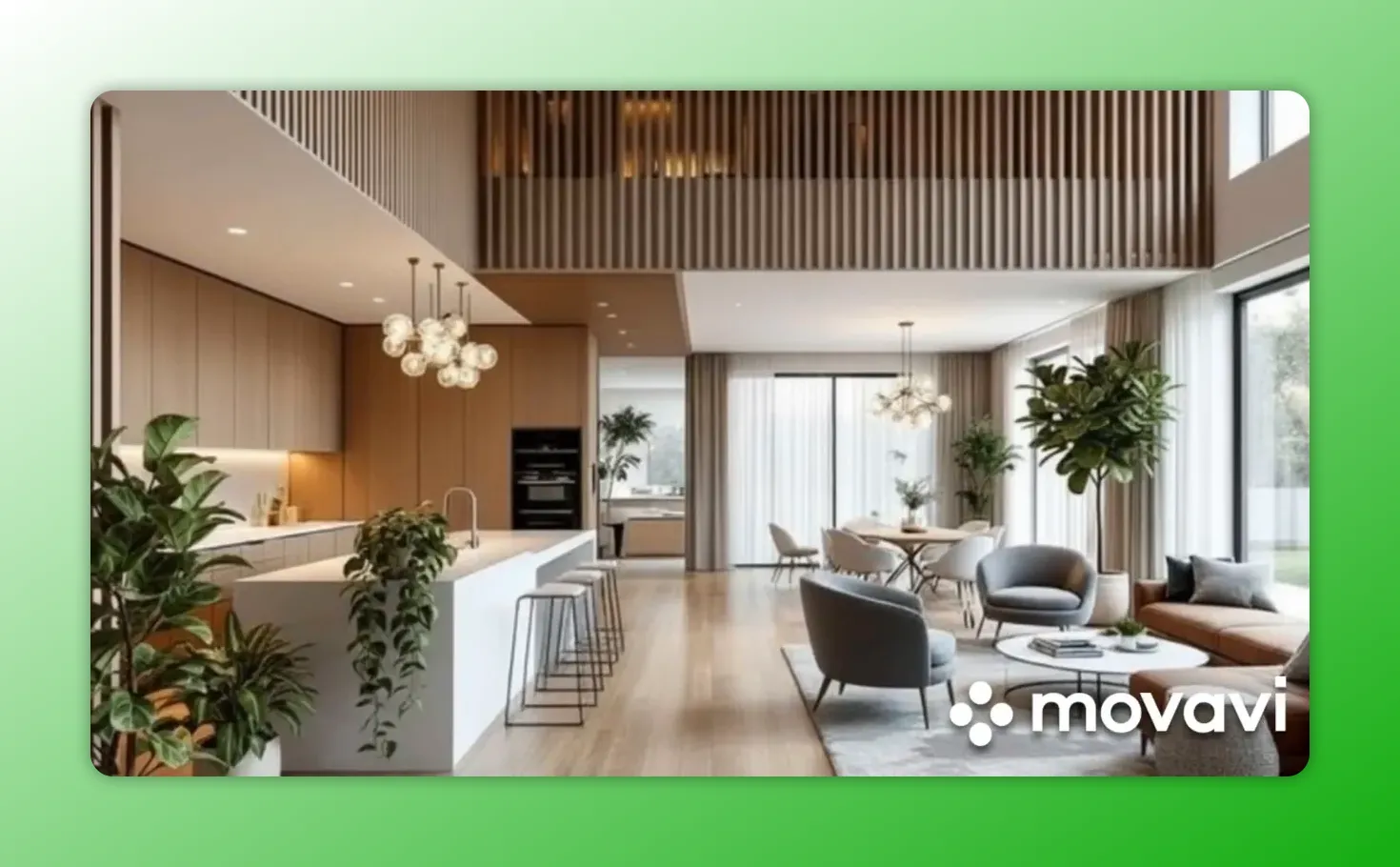
To make the whole home read as one space, we build a cohesive color story. Start with a neutral foundation on walls and major furnishings—soft whites, light grays, or warm beiges work beautifully. Then layer in two or three accent colors and repeat them across both zones.
- Foundation: Neutral walls and large pieces to create calm.
- Accents: Choose 2–3 colors like deep navy and warm copper and sprinkle them across pillows, rugs, and accessories.
- Undertones: Keep undertones consistent so warm greys don't clash with cool whites.
Lighting layers 💡
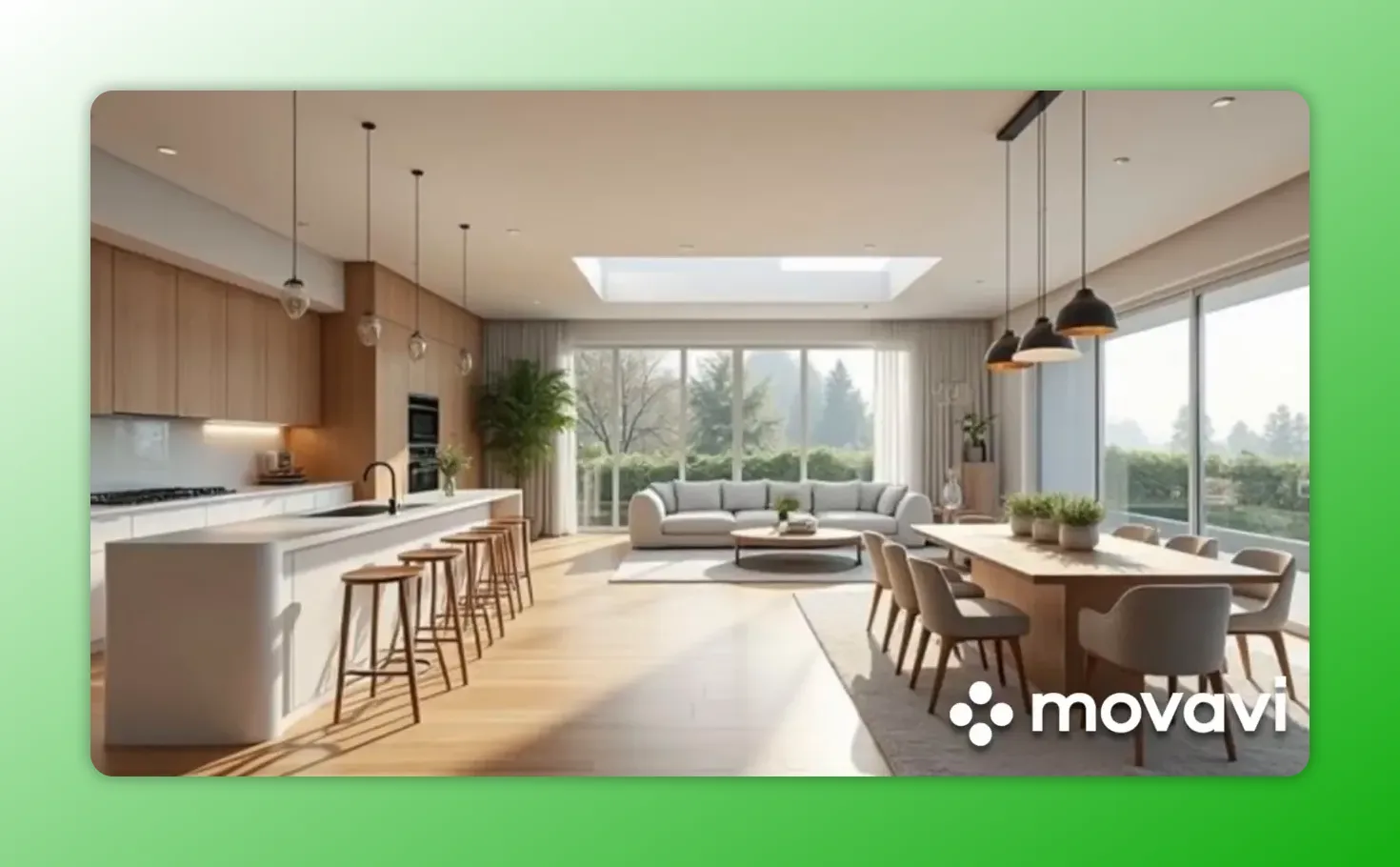
One giant room needs layered lighting. We rely on three types to add depth and functionality:
- Task lighting for bright, focused light over counters and the stove so cooking is safe and painless.
- Statement lighting like pendant lights over the island or a chandelier above a dining area to anchor the space visually.
- Ambient lighting using floor lamps or recessed lights on dimmers for a warm, relaxing vibe at night.
Mix levels so the home feels flexible: bright for meal prep, cozy for movie nights, and dramatic for dinner parties.
Flooring: the invisible wall 🪵
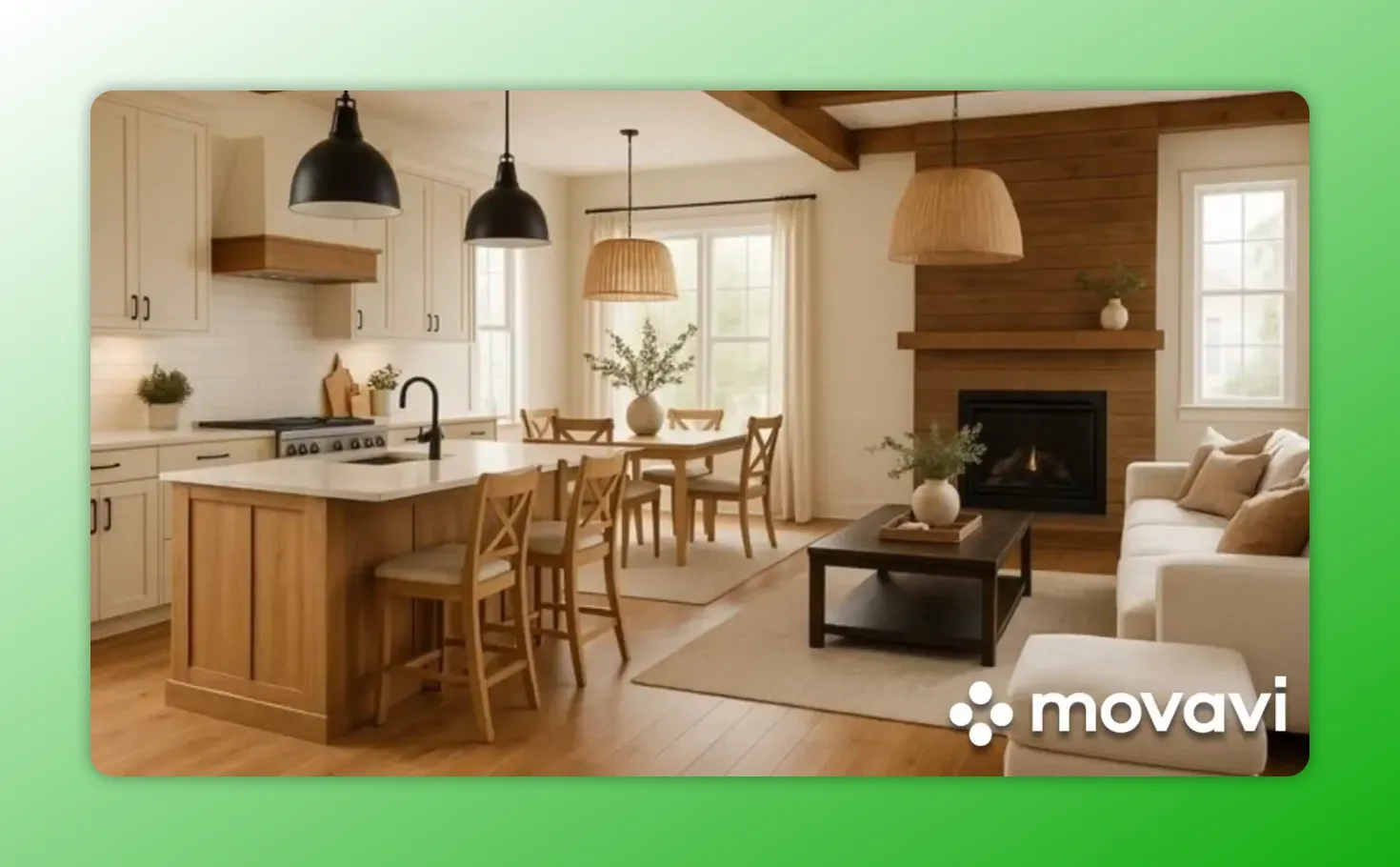
Changing flooring mid-room acts like an invisible wall. To keep the home visually open, run the same flooring—hardwood or luxury vinyl plank—throughout the entire space. This single move instantly makes a smaller open concept feel larger and more cohesive.
If you need durable surfaces near the sink, choose a continuous material designed for the whole area so you don’t break the flow.
Design checklist: quick wins ✅
- Map circulation: Ensure a clear path from entry to kitchen without furniture bottlenecks.
- Define zones with an island, rugs, or furniture arrangements rather than walls.
- Repeat color accents across both areas to visually connect the home.
- Layer lighting—task, statement, ambient—for full control of mood and function.
- Use continuous flooring to maintain visual flow and make the home appear larger.
Make it yours — next steps ✨
We can transform any home into a seamless, stylish living environment by planning for how we move, see, and use the space. Start with the layout, pick a cohesive palette, lock in layered lighting, and run one floor throughout. These moves are high-impact and budget-friendly when prioritized.
Ready to refresh the heart of your home? Grab a notepad, sketch your zones, and pick one change to make this weekend. Small shifts lead to huge results.
Open Concept Kitchen Living Room Ideas for a Seamless Home. There are any Open Concept Kitchen Living Room Ideas for a Seamless Home in here.

